
Reviewed · CITY TOURS
Your Own Belgrade: Unexpected Treasures of the City
Belgrade hides surprises in plain sight. This guided walk strings together Tasmajdan Park, Terazije, the Design District, Knez Mihailova, Kosančićev Venac, and the Fortress, so you see postcard landmarks and more offbeat corners in one go. I especially like the mix of big monuments and small surprises, and I like that many stops are listed as free admission, so you can decide on food breaks yourself.
One thing to consider: the timing is tight (about 30 minutes at each stop), so if you want a long sit-down coffee or slow photo time, plan to add it on before or after the tour since coffee and snacks are not included.
In This Review
- Key things to know before you go
- Why this Belgrade walk feels different than a checklist
- Price and time: what $180.23 buys you
- Starting at St. Mark Orthodox Church: how the tour begins
- Tasmajdan Park and the Church of St. Mark: from rough past to calm present
- Terazije and Kralja Milana: the center with hidden art
- Belgrade Design District: a 90s mall reborn by creators
- Knez Mihailova: arcades, archaeology, and street art in one walk
- Kosančićev Venac: old town streets with a 19th-century feel
- The Belgrade Fortress: gates, churches, ruins, and big river views
- What you can expect from the guide (and why it matters)
- Timing, pace, and comfort tips that will save your feet
- Where you might add food and breaks without ruining the flow
- Who this tour is best for
- Should you book this Belgrade walk?
- FAQ
- How long is the tour?
- How much does the tour cost?
- Is the tour offered in English?
- Is this a private tour?
- What is included, and what is not included?
- Where do we meet and where does the tour end?
- Can I cancel for a full refund?
Key things to know before you go
- Free-admission stops: The main stops are marked as ticket-free, which keeps the day easy on your budget.
- A neighborhood sweep: You bounce between parks, central boulevards, an artsy design area, and old-town lanes.
- Fortress payoff: The last stop gives you views over both the Sava and Danube confluence.
- Guides with personality: Many guides are described as clear storytellers who answer questions beyond the planned stops.
- Surprise detours possible: Some versions reportedly include extra little side stops, like a student-run cinema and a cafe sweet break.
Why this Belgrade walk feels different than a checklist
If Belgrade is new to you, this tour is a smart way to get your bearings fast. You start in the park-and-church zone, glide through the grand center, then move into areas that feel more creative and lived-in. By the time you reach the Fortress, the city makes more sense, because you already walked through several Belgrade “moods.”
I also like that you are not just staring at buildings from the outside. The guide’s job is to connect what you see with what it meant, and why people still care about it. If you enjoy a bit of street-level context, this style of walking works well.
At the same time, it is still a walk. Expect to keep moving, and accept that the tour is designed for a certain rhythm, not a long lingering afternoon.
More of the city in one outing:
- Taxi to/from Belgrade Airport to/from Belgrade City Center★ 5.0 · 241 reviews
- Belgrade Private City Tour★ 5.0 · 41 reviews
- Belgrade Airport to City Center Transfers★ 5.0 · 39 reviews
Price and time: what $180.23 buys you
At $180.23 per person for about 3 hours, you are paying for a guided, structured route with a native storyteller and a private-group format. This is not the cheapest option in town, but the value makes sense if you want compact efficiency and a human guide who can answer questions as you go.
Here is the practical tradeoff: you are paying for time and guidance, not for meals. Coffee, tea, alcoholic drinks, and snacks are not included. So if you turn this into a full food-and-drink afternoon, your total day cost will rise. If you keep it to water and maybe a paid coffee stop on your own, the price feels more reasonable.
One more timing detail that matters: the tour duration is listed as 3 hours approx. In real life, if the conversation runs long, the walk can stretch, so keep that in mind when you schedule later plans.
Starting at St. Mark Orthodox Church: how the tour begins
The meeting point is St. Mark Orthodox Church, on Bulevar kralja Aleksandra 17, and the walk ends on Kneza Mihaila. That starting location is useful because it puts you near the park area right away, so you are not doing a long “connector walk” before you get to the good stuff.
When I see a tour that starts with a recognizable church and ends on the main pedestrian street, I read it as a strategy: you get an anchor at the beginning, then a natural place to roam afterward. Kneza Mihailova is the kind of street where you can keep browsing shops, grab a snack, or simply keep walking in the center once the guided portion ends.
Tasmajdan Park and the Church of St. Mark: from rough past to calm present
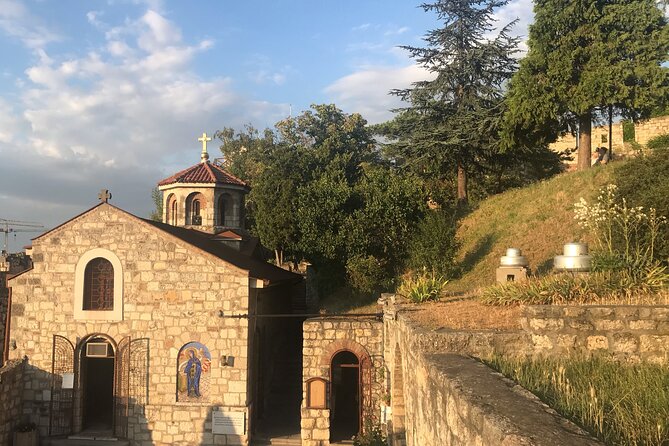
Your first stop is Tasmajdan Park, where the setting includes monuments and the Serbo-Byzantine style Church of St. Mark. The tour gives you the “before and after” feeling here, because the park’s background is not just greenery. It used to be a quarry and a cemetery, and now it functions as a place to stroll.
This is a great first segment for two reasons. First, it is a softer start than a fast downtown street. You can settle into the walk, orient yourself, and enjoy the architectural style without traffic pressure. Second, Serbo-Byzantine design is the kind of detail that a good guide makes much easier to notice, because it is easy to miss patterns if you do not have someone pointing them out.
Possible drawback: if you prefer strictly practical street food and shopping early in the day, a park-and-church opening might feel slower than you want. But if you want context, this stop does its job.
Terazije and Kralja Milana: the center with hidden art
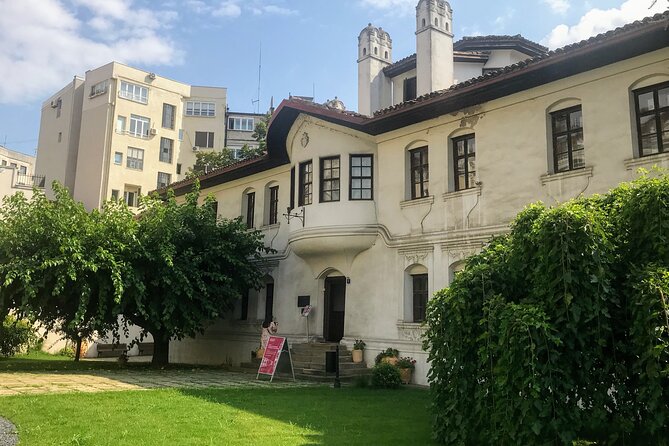
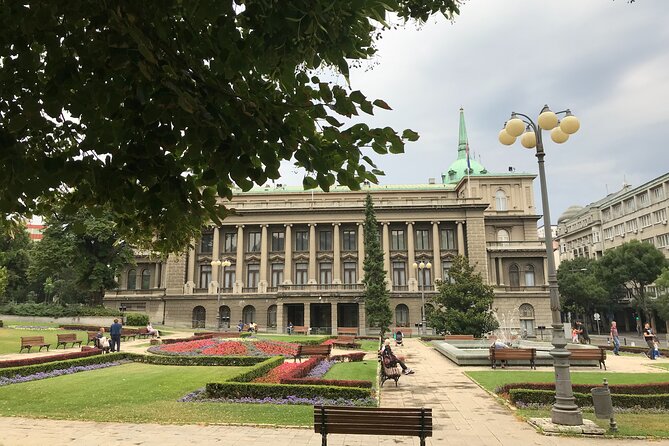
Next up is Terazije and Kralja Milana, the central square and street area. On the surface, this is where you see luxurious palaces and public buildings. What makes this stop worthwhile is the way the tour frames the contrast: grand facades up front, but also subtle details and hidden artwork if you know where to look.
This is the segment that often helps you understand Belgrade’s personality. You get the feeling of a capital city with big architecture, but you also see how everyday life weaves around it. The guide’s storytelling matters here, because central streets can blur together if you are just walking for views.
Tip for you: slow down for a few seconds at the edges of the street. Even if the main buildings draw your eyes, the smaller details are where the “hidden works of art” feeling happens.
Worth putting on the shortlist while you plan Belgrade:
Belgrade Design District: a 90s mall reborn by creators
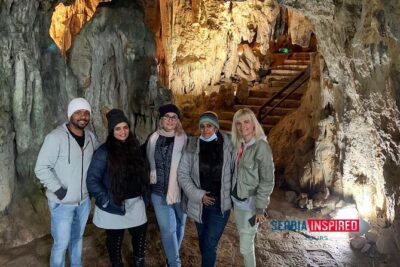
Then comes a switch in mood: Belgrade Design District, an abandoned shopping mall from the 90s that young designers and artists now use. This is the kind of stop that can surprise you, because it is not a formal museum vibe. It feels more like a living workshop area, and it tells you something about Belgrade now, not only Belgrade then.
Why this matters on a first visit: capitals can sometimes feel frozen in time if you only chase old monuments. A creative reuse story balances that. It also gives you something to look at besides architecture, like how people are using the space and turning emptiness into output.
Possible drawback: if you are expecting a traditional heritage site with ticketed interiors and big exhibits, you might find this more street-and-studio oriented than you imagined. Still, the value is in the atmosphere and the way the city adapts.
Knez Mihailova: arcades, archaeology, and street art in one walk
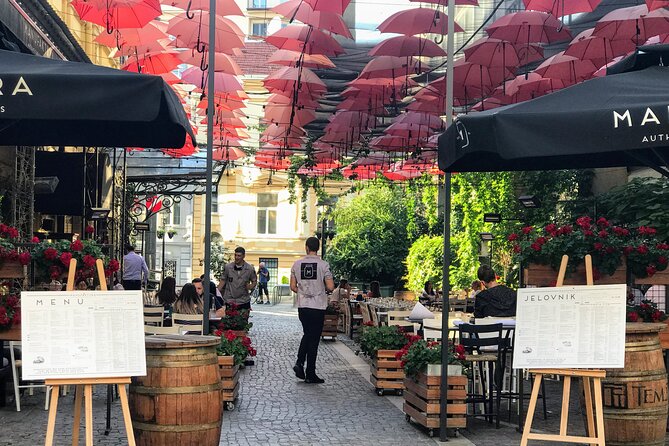
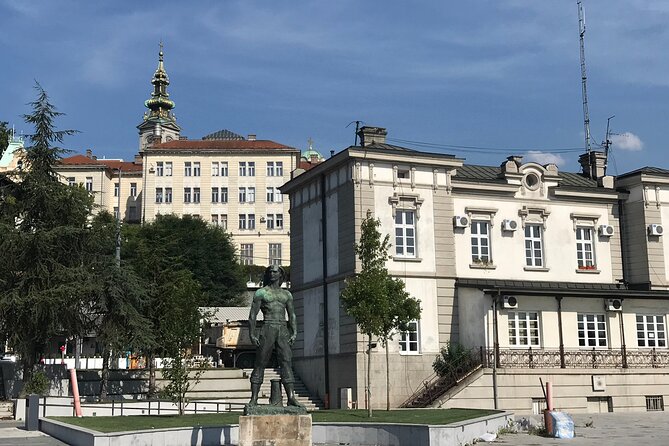
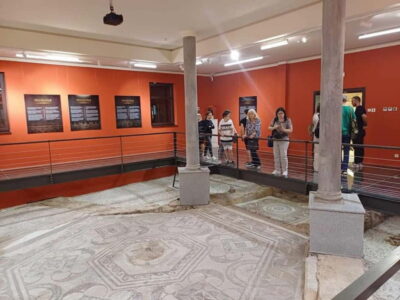
Knez Mihailova is the main pedestrian street, and it is a key part of why this tour works. Behind historic facades, there are arcades, archaeological sites, and street art. So the street is not one thing. It is a stack of layers you can read as you walk.
This is also the point where your photos start to make sense. Earlier stops gave you style context, but here you see how Belgrade blends time periods in the same public space. Arcades and archaeological hints are the kind of detail you can miss without someone who knows the right angles and sightlines.
If you like walking just for the atmosphere, this is your sweet spot. You can also shift into “linger mode” after the tour ends on Kneza Mihailova, because you already understand what you are looking at.
Kosančićev Venac: old town streets with a 19th-century feel
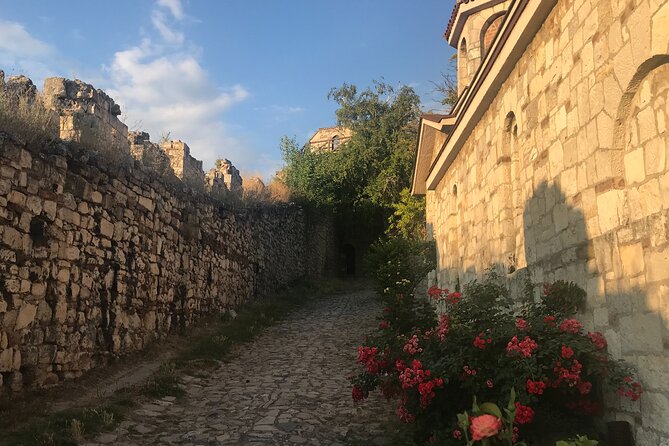
Next is Kosančićev Venac, described as a well-preserved old town area that lets you feel the atmosphere of 19th-century Belgrade. This is where the city starts to feel more human-scaled, less monumental, and more like a place you could easily get lost in.
I like this stop because it balances the earlier central-street energy. Instead of big boulevards, you get the sense of older streets and continuity. If the Fortress gives you the big view, Kosančićev Venac gives you the street view.
Consideration: because this is an old-town area, the sidewalks and walkways are not designed for a modern, stroller-friendly stroll. If you have mobility issues, you might want to move slowly and plan extra time for uneven patches.
The Belgrade Fortress: gates, churches, ruins, and big river views
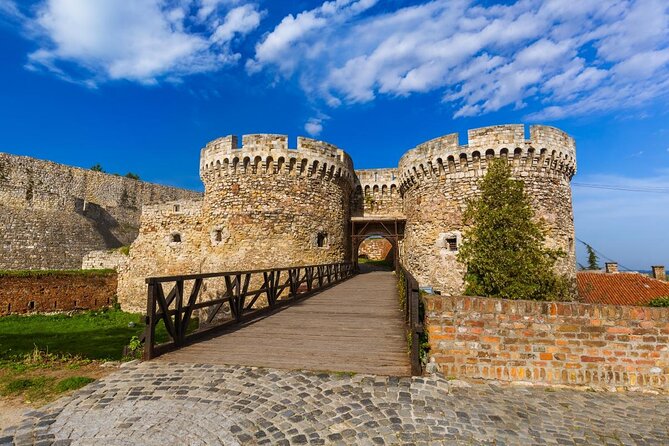
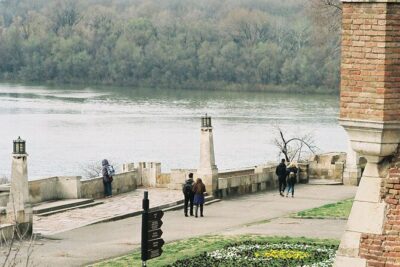
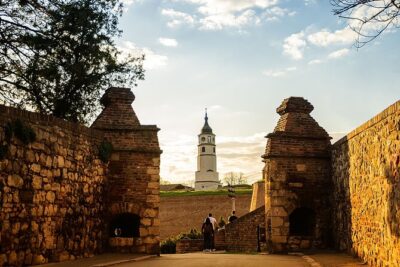
Finally, you reach the Belgrade Fortress, the main historical monument of the city. You see bastions, gates, sculptures, churches, and archaeological sites. And then you get the real reason people save their strongest walking shoes for the end: the panoramic view over the city, including the confluence of the Sava and Danube rivers.
This is the payoff stop. Earlier segments build your understanding of Belgrade’s structure. The Fortress makes you see the whole arrangement at once. It also makes the city’s geography feel real, not just academic.
What I’d tell you to do at the Fortress: take a moment before you rush into photos. Look across the rivers first, then circle your way to the points that match what you just saw. That sequence makes the view more satisfying.
What you can expect from the guide (and why it matters)
The tour is guided, and the way guides are described is a big part of the experience. Guides like Dimitri and Julia are mentioned in feedback, and the common thread is how clearly they connect facts to what you see in front of you. One theme that shows up repeatedly is a calm storytelling pace, with time for questions.
Here is a practical note for you: ask questions as you walk, not only at the end. If your guide is the type who enjoys discussion, asking mid-way can get you better answers while you can still point to the building or corner being discussed.
Also, some guides reportedly arrange or suggest extra small breaks. For instance, one person described a warm cafe stop at the Hotel Moskva area, including dessert like Moskva cake, plus tea and rakija. Another described an unusual stop at a cinema run by university students with free admission. Those extras are not guaranteed by the basic tour outline, but they align with the tour style: unexpected, local, and light.
Timing, pace, and comfort tips that will save your feet
The tour is planned for about 3 hours, with roughly 30 minutes per main stop. In real life, conversation can change the rhythm, and one account described ending up walking closer to 5 hours because the group kept talking.
So here is the comfort strategy for you:
- Wear shoes you can walk in for a longer stretch than you planned.
- Bring water, especially if you will be walking and chatting in warmer weather.
- If you want coffee, decide ahead of time whether you will buy it during the walk or after. Since drinks and snacks are not included, you control the timing and cost.
You will also be in a mix of park and street settings. That means you will deal with sun, shade, and changing ground. Plan your layers if the weather is unpredictable.
Where you might add food and breaks without ruining the flow
Because coffee and snacks are not included, you are free to choose what you actually want to eat. That also means the tour should not pressure you into one specific place.
If you want a dessert stop, the feedback you have about Moskva cake and tea plus rakija suggests there is room for a treat if your guide suggests one. If you prefer something savory, you can use the ending on Kneza Mihailova as your reset point. It is the kind of place where food options are easy to find, and you will have the energy to keep exploring.
Just keep it practical: if you stop too long during the walking portion, you may feel rushed later at the Fortress. A short break beats a long detour.
Who this tour is best for
This is a strong match if you:
- Want a first-time orientation to Belgrade that covers both old and new tones.
- Like guides who explain the why, not just the what.
- Prefer a structured walk instead of wandering without a plan.
It is also a good fit for couples, friends, and solo travelers who want to ask questions in English and keep moving efficiently.
You might choose something else if you:
- Need a super relaxed pace with lots of sitting time.
- Want guaranteed food or drinks included.
- Expect major museum-style interiors at every stop.
Should you book this Belgrade walk?
I think you should book it if you want a high-signal Belgrade introduction in about a half-day. The route covers big landmarks, street-level atmosphere, and an arts-forward neighborhood shift, and it ends in the right place for continued exploring on your own.
Skip or swap it only if you know you do not like walking, or if your priority is food and drink planning with everything pre-included. Otherwise, this is a sensible way to learn the city without spending your day trying to figure out what to see next.
If you do book it, bring comfortable shoes, come with a couple of questions about Serbia’s culture and urban life, and use the free-admission feel to keep your budget flexible.
FAQ
How long is the tour?
It runs for about 3 hours.
How much does the tour cost?
The price is $180.23 per person.
Is the tour offered in English?
Yes, it is offered in English.
Is this a private tour?
Yes, it is private, with only your group participating.
What is included, and what is not included?
The tour includes a guide. Coffee and/or tea, alcoholic beverages, and snacks are not included.
Where do we meet and where does the tour end?
Meet at St. Mark Orthodox Church on Bulevar kralja Aleksandra 17. End on Kneza Mihaila in Belgrade.
Can I cancel for a full refund?
Yes. You can cancel up to 24 hours in advance for a full refund. If you cancel less than 24 hours before the start time, the amount paid will not be refunded.
Newly written up in Belgrade
- Private Belgrade Street Art Tour
★ 5.0 · 1 review - The best of Novi Sad walking tour
★ 5.0 · 1 review - Tara National Park, Mokra Gora and Zlatibor
★ 5.0 · 1 review - Discover Belgrade’s most Photogenic Spots with a Local
★ 5.0 · 1 review - Zasavica Bike Tour
★ 5.0 · 1 review - Private Serbian Food Cooking Experience in Belgrade with Meal
★ 5.0 · 1 review - Topola: Royal Dynasty Half Day Tour from Belgrade
★ 5.0 · 1 review
City Tours, compared.
Walking Tour city center and Petrovaradin Fortress
Read our review →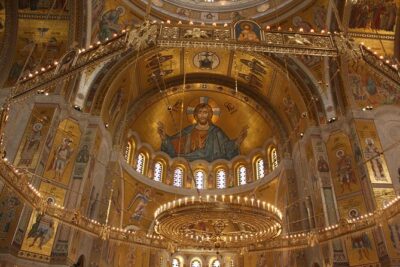
Half-Day Sightseeing and Walking Tour of Belgrade City
Read our review →

Belgrade To Kopaonik Private Taxi Transfer (city or the airport)
Read our review →More Serbia tours of this kind