Reviewed · TOURS
Small Group Balkans Tour; Belgrade to Athens or Corfu in 14 Days
This route threads seven countries in two weeks. You start in Belgrade, then wind through fortress views, UNESCO old towns, and story-heavy cities across the Balkans, ending in Athens or continuing by ferry to Corfu.
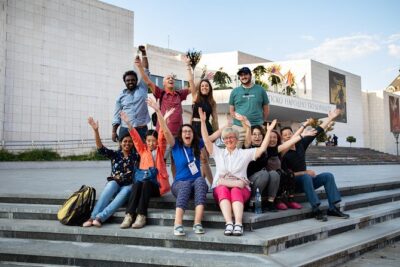
I love how much is built into the days without feeling like a nonstop sprint of paperwork, since transport, a professional guide, and key entry tickets are handled. I also like the small group size (max 10), which makes it easier to ask questions and keep the walking pace comfortable.
One drawback to plan for: this is a packed 14-day itinerary with plenty of driving, so if you want long free afternoons every day, you may find the rhythm intense.
In This Review
- Key highlights at a glance
- A 14-day Balkan sprint: what you really get from Belgrade to Corfu
- Small-group logistics, pickup, and what your tour price buys
- Day 1 in Belgrade and the road to Bosnia: fortress views and river towns
- Sarajevo and Mostar: seeing history in the streets
- Montenegro’s old towns: Kotor’s maze and the Budva contrast
- Albania begins at Shkodra: castle views over lake and rivers
- Kosovo in the mix: Prizren’s bridges, bazaars, and monastery stops
- Slow food in the countryside: Mrizi i Zanave and why it matters
- Kruja and Tirana: Albanian resistance and eating your way through the capital
- North Macedonia’s Ohrid and the St Naum water connection
- Berat and Gjirokaster: Albania’s stone cities and the 1001 windows vibe
- Into Greece: Ioannina’s castle streets and Meteora sunset timing
- Last day in Athens or ferry to Corfu
- Who this tour is for, and who should pass
- Should you book this Belgrade to Athens or Corfu trip?
- FAQ
- How long is the tour?
- What is the price per person?
- Where does the tour start and how do you get picked up?
- Where do you end, Athens or Corfu?
- Are breakfast and accommodation included?
- Are entrance fees included?
- What is included for transport?
- Are lunch, dinner, drinks, and snacks included?
- What is the cancellation policy?
Key highlights at a glance
- Small group of up to 10 people, with hotel pickup in Belgrade and guided time across multiple countries
- UNESCO-heavy route, from Mostar and Kotor to Ohrid, Berat, Gjirokaster, and Meteora
- Local food moments that go beyond snacks, including an agrotourism slow-food stop and Tirana tastings
- War-and-memory sites explained thoughtfully, especially in Sarajevo, where the scars of the 20th century are visible
- Fortress and viewpoint stops that reward early arrival and good shoes, from Kalemegdan to Kruja and beyond
- Ending options that make sense, either Athens drop-off or ferry tickets from Igoumenitsa to Corfu
A 14-day Balkan sprint: what you really get from Belgrade to Corfu
This is the kind of trip that works when you want variety fast, but still want a guide who can connect the dots. Instead of bouncing between cities on your own, you’re taken through Serbia, Bosnia and Herzegovina, Montenegro, Albania, Kosovo, North Macedonia, and Greece with a shared plan and a steady flow.
You’ll spend time in capitals and UNESCO sites, but the route also includes lesser-expected moments, like viewpoints, bazaars, and monastery visits. If you like history you can see with your own eyes, this tour has plenty of it, from Ottoman and Austrian-Hungarian influences to the more recent Yugoslav-era stories people still read into the streets.
The promise is big, so you should be realistic about energy. You will walk, you will transfer, and you will do it again the next day.
If this one is full, these cover much the same ground in Belgrade:
- From Belgrade: Novi Sad & Sremski Karlovci Full-Day Tour★ 4.7 · 1,068 reviews
- From Belgrade: Gems of Eastern Serbia Tour★ 5.0 · 427 reviews
- Northern Serbia: Sremski Karlovci and Novi Sad Full-Day Tour from Belgrade★ 5.0 · 425 reviews
Small-group logistics, pickup, and what your tour price buys
The biggest value point here is what is bundled, not just the number of countries. In addition to a professional guide and transport, you get hotel pickup in Belgrade and hotel drop-off in Athens or port drop-off at Igoumenitsa with ferry tickets to Corfu.
You also get breakfast included across the trip in 3-star hotels, plus tourist taxes. On top of that, entry tickets for the sites that are visited are included, and the tour lists coverage for things like international car insurance and road-related costs.
The price, $4,833.96 per person, can look steep until you lay out what you would normally pay for separately. You’re covering guided transport, lodging with breakfast, and a lot of “gotta-see” admissions inside the routing. If you’re the type of traveler who hates juggling tickets and timing, this bundling is exactly what you’re paying for.
Two practical notes: the tour uses mobile tickets, and it starts at 8:00 am. Also, tips are not required in the Balkans, though it is recommended to tip the tour leader and driver for good service.
Day 1 in Belgrade and the road to Bosnia: fortress views and river towns
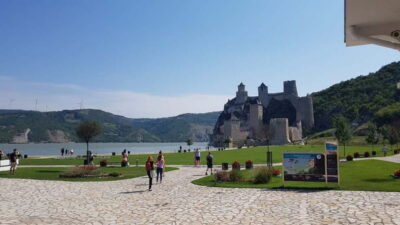
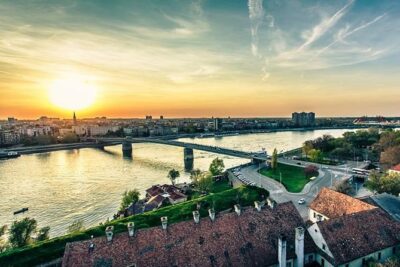
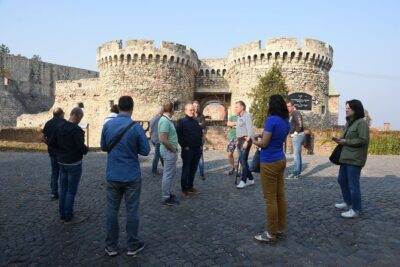
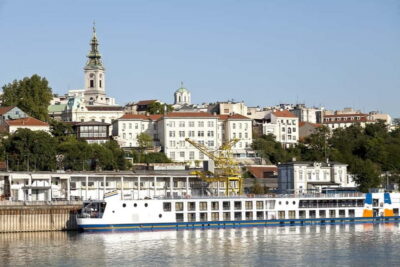
Belgrade is a strong opener because it’s not just pretty, it’s strategic. At Kalemegdan Park and the Belgrade Fortress, you get that classic “two rivers, one city” feeling, where the Danube and Sava meet. You’ll also visit the Pobednik monument in the Upper Town, with its history dating back to 1913.
Then you move into a walking stretch through Knez Mihailova and on toward Republic Square, which helps you get your bearings fast instead of spending day one lost. It’s a good warm-up day, even if you still feel the travel energy.
After Belgrade, the drive adds a nice change of pace: Zvornik on the Drina River. It’s a calmer stop for lunch or a slow wander through small streets by the water, and it breaks up the longer transfers ahead. You’ll arrive in Sarajevo afterward.
Tip for your comfort: bring layers. Fortresses and parks can feel cool even when the city center is warming up.
Sarajevo and Mostar: seeing history in the streets
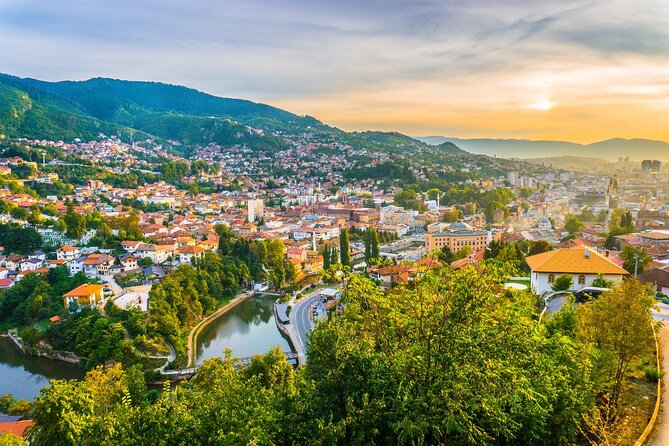
Sarajevo is where the tour becomes emotionally grounded. The walking involves uneven terrain, and you’ll see visible reminders from the Yugoslav War, including bullet holes and cannon marks around town. That matters because you’re not only learning dates, you’re seeing how conflict leaves traces in everyday spaces.
The tour also focuses on the origins of Sarajevo and the medieval Bosnian Kingdom, then moves into Ottoman and Austria-Hungarian sections. That mix is why many people call Sarajevo a kind of crossroads city, where bazaars, mosques, churches, and synagogues sit within the same city frame.
A standout here is the visit to Latin Bridge. You learn how WWI was triggered here, and you also hear how the name Latinluk connected to the city’s older cultural geography. It’s a moment where a single structure links a global story back to this specific street.
Then comes Mostar and Stari Most, the iconic Old Bridge and UNESCO highlight. You’ll also spend time in the Old Bazaar area, wandering the cobbled lanes where mosques and Turkish-style markets keep the city’s older identity visible. A practical note: Mostar is a “look up, look around, and watch your footing” kind of place. Wear shoes you trust on stone.
Montenegro’s old towns: Kotor’s maze and the Budva contrast
After Mostar, you head toward Kotor, another UNESCO site. Kotor’s old town is famous for narrow cobblestone streets that can feel chaotic, but that street plan was created for a reason, confusing intruders over the centuries. You’ll visit Saint Luke’s church, which is meaningful to locals as a symbol of unity.
One smart planning detail: you also get time to explore Kotor on your own in the afternoon. That freedom helps you absorb the city instead of treating it like a checklist. If you like taking your time in one UNESCO place rather than rushing across five, this stop is a gift.
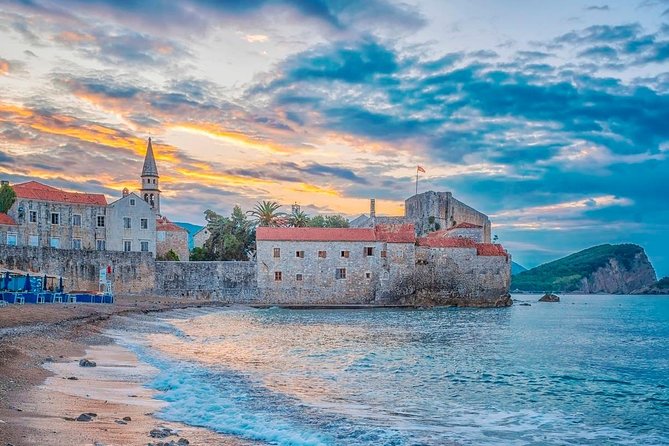
Budva adds contrast the next day. There’s a split between Old Budva with historical center sights, and New Budva with more modern buildings and commercial energy. The tour visits Old Budva highlights like St. Ivan church and the small church of St. Mary.
Then there’s a viewpoint stop near Sveti Stefan, a former fishing town that has become an exclusive residential resort. You can’t visit the island itself anymore, but standing on the coast for photos gives you the signature “island from the Adriatic” look.
Worth putting on the shortlist while you plan Belgrade:
Albania begins at Shkodra: castle views over lake and rivers
Crossing into Albania, you’ll reach Shkodra, a city with a long habitation record and strong links to Illyrian legend. The main sight here is Rozafa castle, known for tremendous scenery over the lake and the rivers merging toward the Adriatic.
Shkodra also brings Venetian influence into the picture, so the city feels like more than just Albania’s present day. If you like architecture that hints at older empires, this is a good early stop for that.
What I like about this segment is the transition. You’re moving from Montenegro’s coast atmosphere into Albania’s inland viewpoint and fortress style, without feeling like you jumped timelines.
Kosovo in the mix: Prizren’s bridges, bazaars, and monastery stops

Kosovo gives the tour its “lived-in” feel. In Prizren, you’ll explore the old town and learn why it’s considered the cultural capital, known for religious tolerance and a river that flows through the center under bridges.
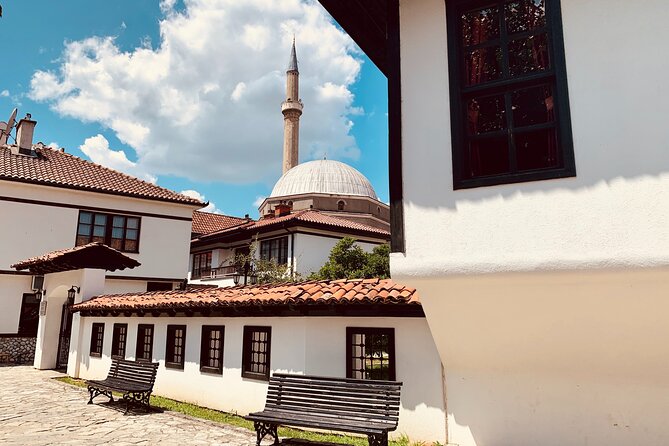
Two highlighted visits are Sinan Pasha Mosque and Kalaja Fortress. The mosque visit focuses on rich arabesque color and pattern, while the fortress stop is all about the panorama from above town, where you see how the city sits in the hills.
Then the route continues to Gjakova, famous for the oldest and largest bazaar of Kosovo. The key detail you’ll hear is that it was destroyed in multiple conflicts and later rebuilt, so the market also carries a story of recovery and craft.
Next is Decan Monastery, a UNESCO site with frescoes and Orthodox monks who still inhabit the monastery. The tour highlights that fresh organic food, including cheeses, is made there. It’s a rare moment where a UNESCO listing also feels like a working place, not just a museum set piece.
Finally, you head into Rahovec, framed as Kosovo’s viticulture area. Vineyards have deep roots, and you’ll hear about altitude suited to wine production. A wine festival happens annually every September, which gives the region a seasonal anchor.
Slow food in the countryside: Mrizi i Zanave and why it matters
One of the tour’s most practical pleasures is the slow-food style stop at Mrizi i Zanave (Agroturizëm). You tour the farm and hear how it created jobs for more than 400 people in the surrounding area. The focus is on collecting, processing, and preserving regional bio fresh local products.
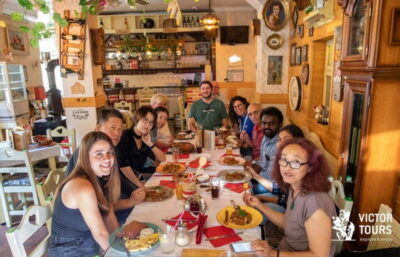
There’s also time for a traditional lunch or for shopping fresh produce. Even if you do not buy anything, you benefit from the “pause” in the itinerary. After days of city walking and driving, this countryside break gives your brain a reset.
This is also one of the best places to understand why food can be part of culture, not just fuel. You’re seeing a system, how a family business uses older communist-era buildings for storage, and how agriculture links to identity.
Kruja and Tirana: Albanian resistance and eating your way through the capital
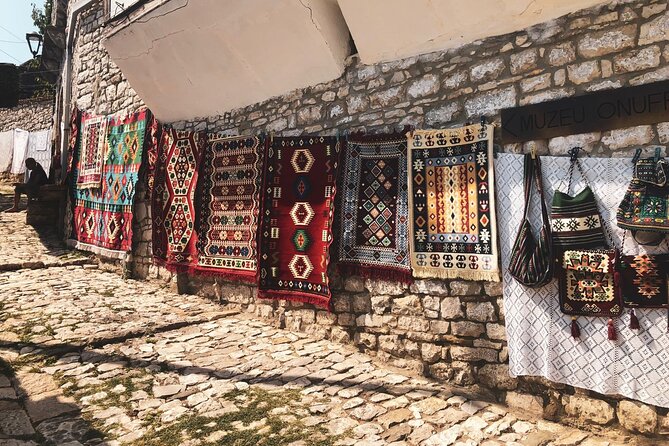
Kruja is built for story lovers. You’ll walk through Pazari i Vjeter, the Medieval Old Bazaar, where the wooden houses and narrow streets give you a sense of history you can’t get from photos alone. It’s also one of the places in Albania where it makes sense to shop for souvenirs, including handmade carpets and jewelry.
Then you visit Kruja Castle, set high on a rocky hill. The tour includes details about hidden paths used by locals in times when the castle was surrounded, which adds a survival-layer to the view. Even just standing there, you get why this spot mattered.
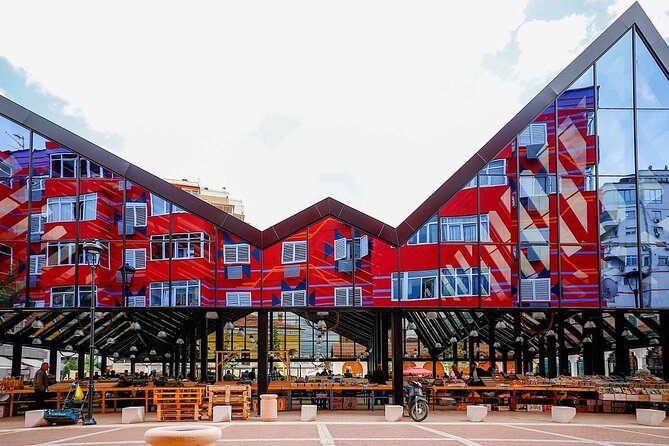
Tirana is a different energy. The tour includes a local companion and focuses on food and neighborhoods, not just monuments. You start with byrek at a small place that locals know how to find, then move to Çam bazaar linked to the Albanian Çam community.
The rest of Tirana leans into the day-to-day: street markets, pastries, and coffee culture. You’ll also try Albanian coffee at a cozy café, then continue through colorful neighborhoods.
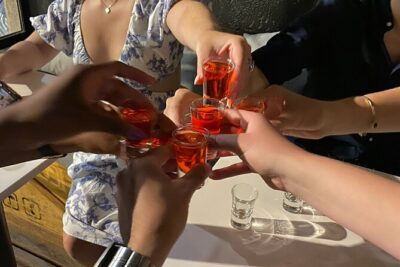
Food gets more structured in the New Bazaar segment. You’ll sample a traditional lunch of qofte with bread, and vegetarians get bread with Albanian gjizë. There’s also a tasting of Albanian raki.
Finally, you visit BUNK’ART 2, a museum inside a former nuclear bunker built to shelter Enver Hoxha and party members. It’s described as a video museum about the communist army and daily life in the regime. Even if you’re not a deep Cold War person, the approach helps you understand how fear and politics shaped everyday routines.
North Macedonia’s Ohrid and the St Naum water connection
North Macedonia begins with Struga, with a quick drink by the source of the Drini River. It’s a short stop, but it helps you transition into the Ohrid lake rhythm without burning out.
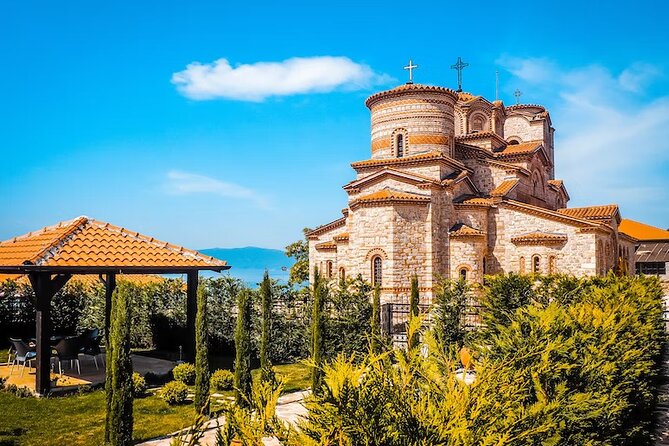
Ohrid is a major highlight. The town and Ohrid Lake are UNESCO-listed, and you’ll hear about the area’s very old settlement roots. You’ll visit viewpoints and key religious sites, including the church of St. John, the church of St. Nicolas, and Halveti Hayati Tekke mosque.
The reason this stop works so well is variety within one place. You’re not only looking at one church or only walking one market lane. You’re getting a sense of how the city fits into a lake setting and how Orthodoxy connects to the skyline.
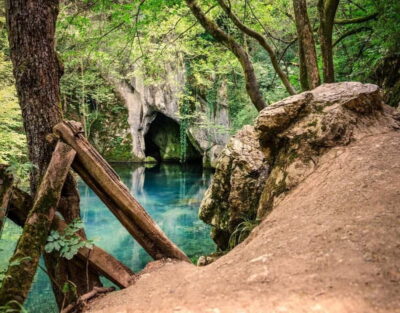
The next day doubles down on water and nature. At St Naum, you’re at the monastery complex near the source of the Crni Drim River, in a protected national park area. The tour emphasizes the crystal-clear spring water and the reflections of greenery and peaks.
Then you add more scenery at Tushemisht and at Driloni National Park, where springs form a small lake with weeping willows along the shoreline. It’s one of those rare stretches that feels designed for slowing down, even if your schedule is moving.
Berat and Gjirokaster: Albania’s stone cities and the 1001 windows vibe
Berat is a UNESCO town famous for the “town of 1001 windows.” You’ll walk narrowed stone streets where medieval houses stack against steep hillsides, with windows appearing layered across the city. The tour also includes Berat Castle, plus stops tied to the town’s churches and mosques.
Two other points add depth. You’ll visit the National Iconographic Museum Onufri, tied to the painter Onufri and his specific reddish church icon color. You’ll also see the Gorica neighborhood and bridges for more of that hillside city layout.
Then comes Gjirokaster, often called the Stone City. The tour describes houses like small fortresses, and it notes the castle as the origin point, built in the 4th century A.D. It’s one of the best places on the trip to understand why this part of Albania developed fortified town shapes rather than open urban grids.
You’ll also walk the Gjirokastra bazaar before entering the castle. It’s a good last-stop shopping moment where you can see craft and everyday commerce in one compact area.
Into Greece: Ioannina’s castle streets and Meteora sunset timing
Greece starts with Ioannina. You’ll wander cobbled streets where Byzantine and Ottoman traces show up in walls and historic houses. Then you visit Ioannina Castle, with a labyrinth-like network of narrow streets inside the fortification walls.
This is one of those days where you get a “walk and linger” feeling. You’ll find cafés and places to eat local Greek food around the historic areas, so you can stretch time even if your group is moving.
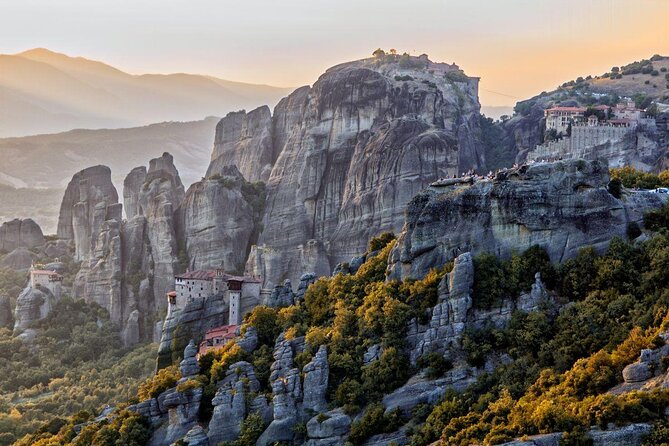
Then you head to Meteora, UNESCO-listed and centered on monasteries built on dramatic rock formations dating from the 14th and 15th centuries. The tour explicitly calls out one of the best moments, watching a sunset from Meteora. Timing like that matters. You want a good place, and you want to avoid showing up late and missing the best light.
Last day in Athens or ferry to Corfu
If you finish in Athens, your tour ends with a drop-off at your hotel. That gives you a clean reset if you want to tack on another day in Greece, perhaps focusing on a single site instead of moving every morning.
If you choose Corfu, the tour drops you at Igoumenitsa Port, and ferry tickets to Corfu are included. This can be a smart choice if you want the contrast of Greece’s history and a calmer island finish.
Who this tour is for, and who should pass
This tour is a good fit if you want to see a lot of countries with guide help, value included admissions and transport, and enjoy walking in old towns even when streets are uneven. It also suits you if you like food stops that feel part of the culture, not just a scheduled meal.
It may not be ideal if you want lots of downtime and minimal driving. The route covers a huge geographic spread, and even with the included breaks, the day-to-day pace is busy.
Should you book this Belgrade to Athens or Corfu trip?
If you’re excited by fortress views, UNESCO old towns, and the idea of a guided route that handles tickets and logistics, I think you should seriously consider booking. The most compelling value is that the trip doesn’t only list big sights, it also builds in the kind of stops that make the Balkans feel personal, like the slow-food farm visit and Tirana’s food-led local orientation.
If you’re budget-focused and you love planning everything yourself, you might be able to DIY parts of this. But if you prefer not to micromanage transport across seven countries, the bundled approach here saves stress.
In short: book if you want a structured, guided route with real variety. Pass if your ideal trip is slow and light on movement.
FAQ
How long is the tour?
The tour duration is 14 days (approx.), starting at 8:00 am.
What is the price per person?
The price listed is $4,833.96 per person.
Where does the tour start and how do you get picked up?
It starts in Belgrade, Serbia, and hotel pickup in Belgrade is included.
Where do you end, Athens or Corfu?
On the last day, you are dropped off in Athens (hotel drop-off) or taken to Igoumenitsa Port for the ferry to Corfu with tickets included.
Are breakfast and accommodation included?
Yes. The tour includes BB (accommodation and breakfast) for all overnights, in 3-star hotels.
Are entrance fees included?
Entry tickets for the sites that are visited are included, and the itinerary notes many admissions are free.
What is included for transport?
Transport is provided by the company, along with professional guiding, international car insurance, road taxes, and petrol.
Are lunch, dinner, drinks, and snacks included?
No. Lunches, dinners, drinks, and snacks are not included.
What is the cancellation policy?
The experience is non-refundable and cannot be changed for any reason if you cancel or request an amendment.
Newly written up in Belgrade
- Private Belgrade Street Art Tour
★ 5.0 · 1 review - The best of Novi Sad walking tour
★ 5.0 · 1 review - Tara National Park, Mokra Gora and Zlatibor
★ 5.0 · 1 review - Discover Belgrade’s most Photogenic Spots with a Local
★ 5.0 · 1 review - Zasavica Bike Tour
★ 5.0 · 1 review - Private Serbian Food Cooking Experience in Belgrade with Meal
★ 5.0 · 1 review - Topola: Royal Dynasty Half Day Tour from Belgrade
★ 5.0 · 1 review
Tours, compared.
Sremski Karlovci and Novi Sad Full-Day Tour from Belgrade
Read our review →
Western Serbia 1-Day Tour of the Key Sites from Belgrade
Read our review →
Day Tour to Nis, Serbia with tickets and pick-up
Read our review →