
Reviewed · SEGWAY & SCOOTER RIDES
Belgrade Segway Tour
Belgrade moves fast, and this tour lets you keep up. A Segway ride turns sightseeing into something you can actually enjoy, with a guide who helps you spot the important stuff along the way. I like the way this small-group format keeps the pace smooth, and you do not waste time figuring out how to get between stops.
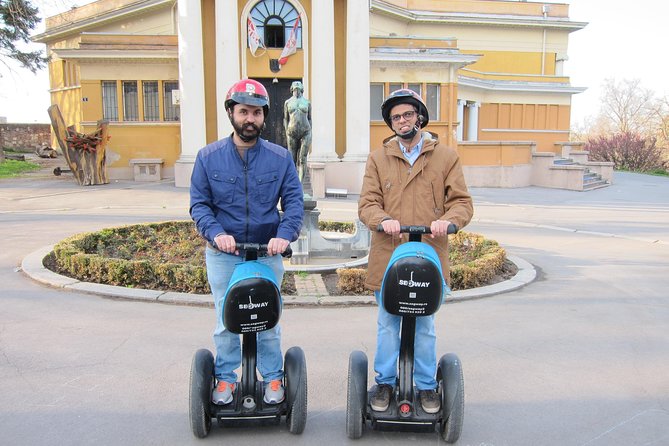
Two things I’d call out right away. First, the guided route covers major Belgrade highlights with zero guesswork, from Knez Mihailova Street out to the fortress area and castle ruins. Second, the hands-on start at Segway Beograd makes the Segway feel manageable quickly, with helmets provided and a safety-first approach. You also get beverages during the tour, which helps when you are out in the open.
One consideration: this is only easy if you are comfortable with moderate physical activity and staying alert while riding. If you have balance concerns, the Segway may feel like a lot, even though the guides keep it safe and controlled.
In This Review
- Key highlights at a glance
- From Segway Beograd to real Belgrade sites
- What the Segway setup feels like
- Knez Mihailova Street, the start of Belgrade’s main story
- Why this stop is worth it
- Kalemegdan Park and Belgrade Fortress: where the timeline stacks up
- Monuments of gratitude to France and Russia
- Sports clubs, WW1 roots, and the “how did this happen here?” moments
- Weapons from WW1 and WW2
- Tito’s bunker, the Victor, and the stories you can’t guess alone
- The Victor and Belgrade’s signature symbol
- Tito’s bunker
- Roman well and underground Belgrade
- Museum time and the fortress ruins walk-through
- A practical note on the pace
- XIX century Belgrade: Kralja Petra Street and Kosančićev Venac
- Why this city-center stop works
- Price and value: what $85.10 buys you in Belgrade time
- The biggest “value check”
- Group size, languages, and the smooth ride factor
- Who will feel most comfortable
- Practicalities that matter before you go
- Should you book the Belgrade Segway Tour?
- FAQ
- How long is the Belgrade Segway Tour?
- How much does the Belgrade Segway Tour cost?
- Where does the tour start and where does it end?
- Is the tour offered in English?
- What is included in the tour price?
- What is not included?
- How big are the groups?
- Do I need a certain physical fitness level?
- Are children allowed?
- Does the tour run in bad weather?
Key highlights at a glance
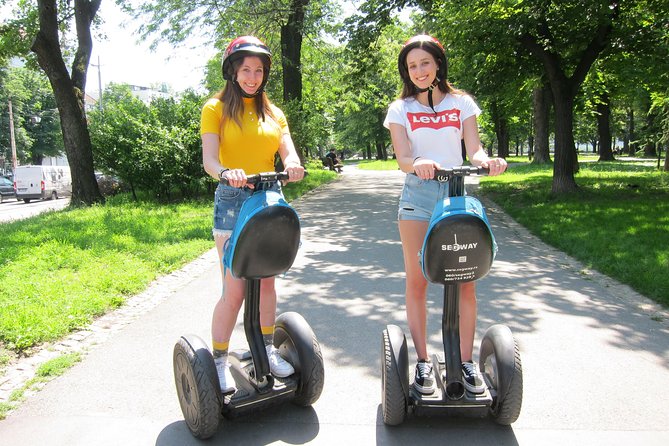
- Small groups (max 10) for a calmer, more personal ride
- Segway training first, so you are not thrown into traffic-like chaos
- Kalemegdan Fortress layers, from medieval ruins to WW1 and WW2 pieces
- Tito’s bunker and the Victor stop, two standout Belgrade symbols
- XIX century streets on a short city-center loop through Belgrade’s older core
- Beverages included, plus multiple guide languages (English among them)
From Segway Beograd to real Belgrade sites
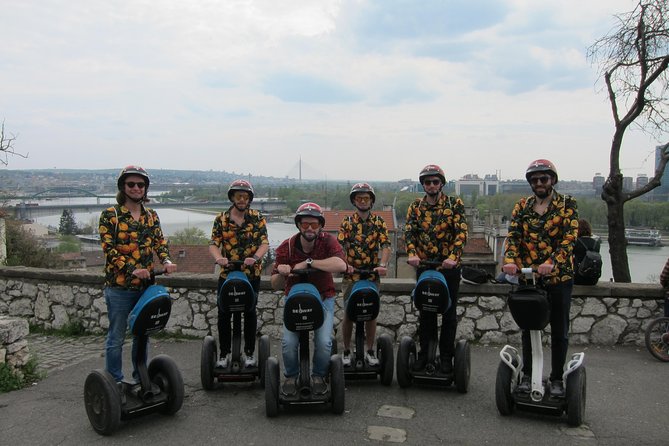
Most “easy city tours” still feel like walking tours that got a little faster. This one starts differently. It begins at Segway Beograd, where you get your Segway setup and instruction before heading out. In plain terms, that matters because it turns the Segway from a novelty into a tool you can actually use to move around confidently.
Once you’re ready, you glide along Belgrade’s main corridors instead of spending your energy on staircases, long sidewalks, and the timing hassles that come with public transport. The route is built for flow: you get a quick start, then you settle into the city’s rhythm.
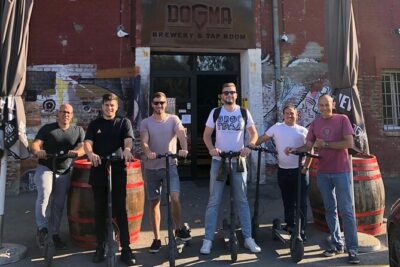
More segway and e-scooter rides:
- E-Scooter CRAFT BEER and BREWERY Tour★ 5.0 · 37 reviews
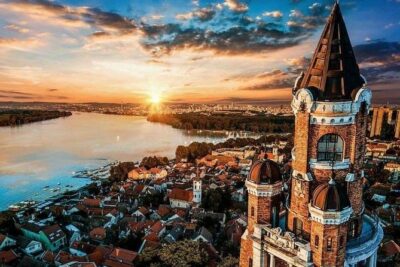
- E-Scooter Zemun Tour★ 5.0 · 26 reviews
- Kalemegdan Segway Tour★ 5.0 · 18 reviews
What the Segway setup feels like
You’ll be given a helmet and shown how to handle the Segway, which is exactly what you want on day one. The ride also tends to feel safe and comfortable, and the guides are clearly focused on making sure everyone can control the Segway before moving on. If you are the type who usually skips “activity” tours because they look stressful, this start is designed to reduce that fear.
Knez Mihailova Street, the start of Belgrade’s main story
After the Segway setup, the tour moves to Knez Mihailova Street, Belgrade’s famous pedestrian-style boulevard. Even if you have seen photos of this area, it hits differently in person. This is where you feel the city’s older, classic layout, with a steady stream of landmarks and street energy.
On a walking day, Knez Mihailova can become “just a long street.” On this Segway route, it works as a transition zone. You get a quick overview feeling for how Belgrade is organized, then you shift into the bigger story near the fortress. It’s a smart way to get your bearings fast without making you walk them.
Why this stop is worth it
The value here is not that Knez Mihailova is a single object you photograph. The value is how it sets context. When you later reach Kalemegdan Park and the Belgrade Fortress, you understand the direction you’re traveling and what you’re looking at. You stop making guesses and start recognizing patterns: old city, defense positions, and the layered timeline.
Kalemegdan Park and Belgrade Fortress: where the timeline stacks up
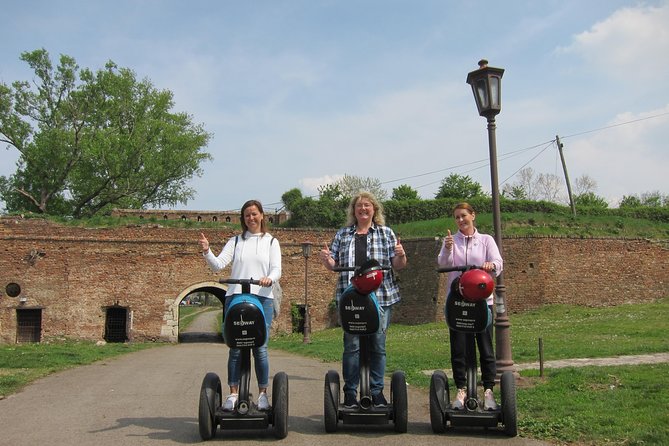
The heart of the tour is the Kalemegdan area. This is where Belgrade’s history shows up in physical layers. You spend about one hour around the fortress grounds, with the guide pointing out the mix of eras you would otherwise miss if you wandered solo.
The lineup includes a striking set of monuments and military history stops, plus castle ruins and symbols that locals identify with the city. Even better, the pace is built to keep you moving without rushing past the details.
Worth putting on the shortlist while you plan Belgrade:
Monuments of gratitude to France and Russia
One of the first things you encounter here is the Monuments of Gratitude to France and Russia. These memorials are the kind of thing many people walk past without realizing why they matter. On the tour, they become part of the broader story of Belgrade’s 20th century alliances and how the city remembers major events.
Sports clubs, WW1 roots, and the “how did this happen here?” moments
The fortress area also includes references to the start of World War 1, and a set of spots tied to Serbian medieval and later history. You also see sports-related history tied to major clubs like Partizan and Red Star. That blend can sound random on paper, but it works on-site because the fortress is more than a battlefield viewing platform. It’s an entire complex where different kinds of Belgrade identity show up in one place.
Weapons from WW1 and WW2
You’ll come across weapons connected to both World War 1 and World War 2. If you want your history to feel grounded, this is the part that does it. It’s not just dates. It is objects, displays, and a sense of scale for how conflicts shaped what stayed in place.
Tito’s bunker, the Victor, and the stories you can’t guess alone
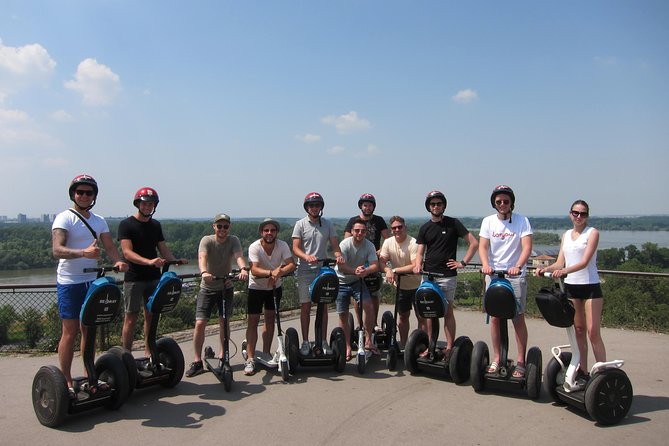
Kalemegdan is also where the tour becomes very “only with a guide.” Several stops are the sort of things you might notice, but you probably would not connect to the right story without help.
The Victor and Belgrade’s signature symbol
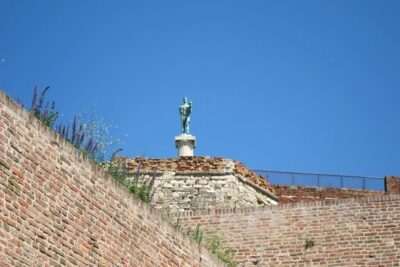
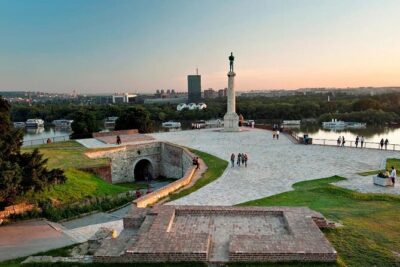
You’ll visit The Victor, which is one of Belgrade’s trademark symbols. This is the kind of landmark that looks strong in a wide shot and even stronger when you get the context behind it. It’s a reminder that the city’s past is still visible in its present-day identity.
Tito’s bunker
Then comes Tito’s bunker. This is one of the most memorable stops, mainly because bunkers are not just “cool to see.” They explain fear, strategy, and how the Cold War mindset shaped city planning. Even if you are not a history buff, it tends to land because it is tangible and specific.
Roman well and underground Belgrade
You also see a Roman well and learn about underground Belgrade. That theme is a big part of why fortress tours are different from museum-only tours. Belgrade has layers below its surface, literally and historically. The guide helps you read those layers instead of treating them like a collection of random ruins and exhibits.
Museum time and the fortress ruins walk-through
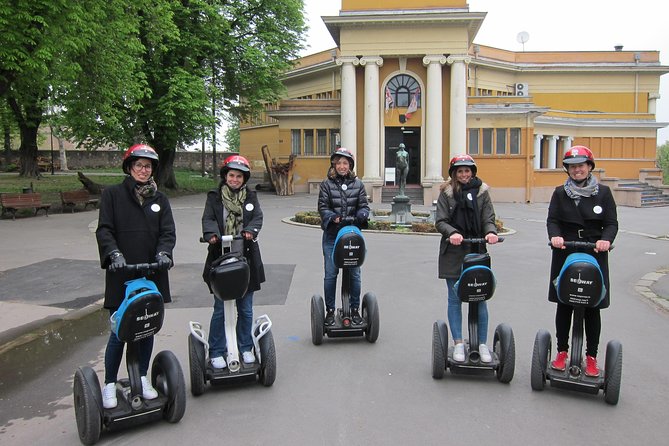
The tour includes time at areas like a military museum and a general walk through Serbian medieval castle ruins. These stops give you two kinds of understanding.
First, you get a medieval sense of how the fortress functioned and why it mattered. Second, you connect medieval structures to later defense needs and modern military history. When you see the wall layers together, it becomes easier to understand why Belgrade history is often described as “layered,” even if you are just learning it for the first time.
A practical note on the pace
One of the best review-worthy parts of this tour is that it stays at a good pace. You’re not sprinting between points, and you are not stuck waiting for someone who is still learning how to ride. That balance matters at Kalemegdan because it’s easy for the time to feel longer if you do not control movement.
XIX century Belgrade: Kralja Petra Street and Kosančićev Venac
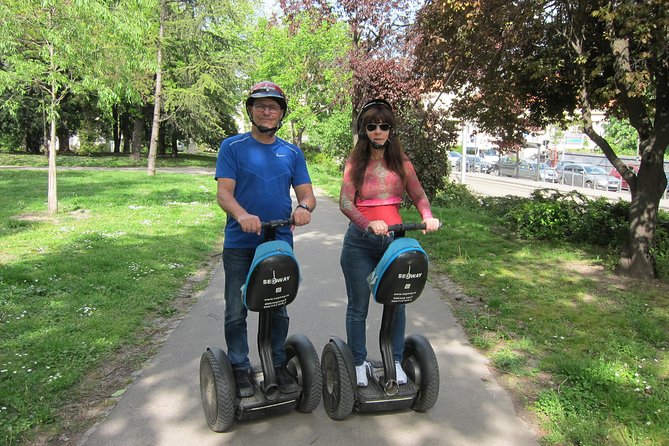
After the fortress area, the tour shifts back into the city proper with a short stop focused on XIX century Belgrade. You’ll pass through streets like Kralja Petra Street and Kosančićev Venac, sometimes described as Montmartre of Belgrade.
This part is short, about 15 minutes, but it changes the tone. You go from heavy history and fortress walls into the older urban fabric where Belgrade’s architecture and street character feel more like a living city.
Why this city-center stop works
If the fortress portion is about seeing the “big past,” the XIX century stop is about seeing Belgrade’s “organized past.” You learn what the older city looked like, how it felt, and why that period still shapes the look of central Belgrade today.
It’s also a nice contrast after the more intense fortress stops. You get a breather in scenery and a quick chance to orient yourself for the rest of your day.
Price and value: what $85.10 buys you in Belgrade time
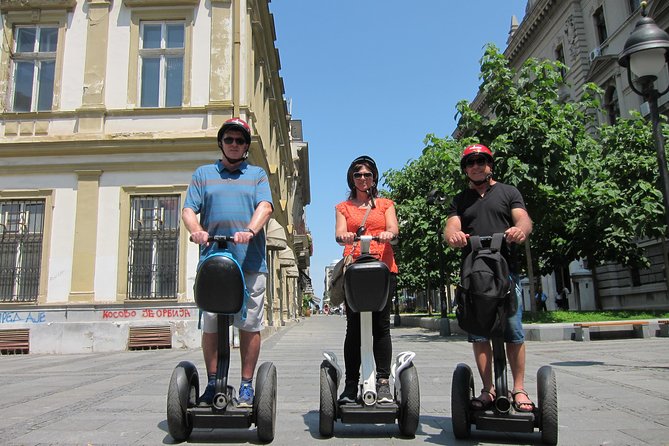
At $85.10 per person for about 2 hours 50 minutes, this tour is priced for convenience and guided interpretation. On a cheap day, you could walk these areas and piece history together yourself. The question is whether you want to spend your time walking and troubleshooting routes, or whether you want to see and understand the sights without doing extra work.
Here’s what makes the money feel more reasonable:
- Transportation made easy: you cover the city without negotiating transit or long walking routes.
- Guide time: you get a professional guide, and the tour supports multiple languages, including English.
- Included basics: helmets are provided, and beverages are included.
- Limited group size: up to 10 travelers, which usually means fewer interruptions and less crowd pressure.
Add that up and you’re not just paying for the Segway. You’re paying for the full package: movement, instruction, route planning, and history you would likely miss on your own.
The biggest “value check”
If you’re hoping for a long stop at one single monument, this is not that kind of tour. It’s built for an overview with multiple stops in a single outing. If you want a taster that helps you decide what to explore later, this format is a smart use of time.
Group size, languages, and the smooth ride factor
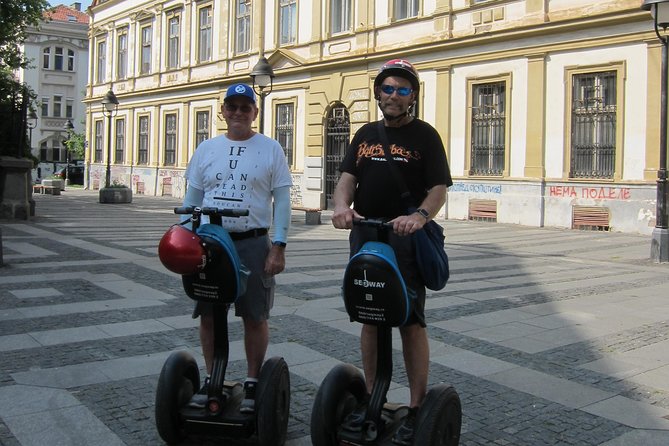
This tour caps at 10 travelers, and that limit shows up in how the ride works. Smaller groups generally mean less waiting, fewer safety slowdowns, and more time for the guide to answer questions.
It also runs with flexible departure times, which helps if your schedule in Belgrade is busy. You’ll also get English as an available language, plus Serbian, Russian, Italian, and German.
Who will feel most comfortable
This activity is designed for people with moderate physical fitness. You do need to be able to balance and ride with awareness. If you’re comfortable with short rides and outdoor movement, you should be fine.
Children are allowed, but they must be accompanied by an adult. If you’re traveling as a family, this is one of those rare tours that can work as long as the adult in the group is truly prepared to help with the riding side.
Practicalities that matter before you go
Because the experience is outdoors and timed, two practical things to watch are weather and timing.
It runs only with good weather. That’s not just “nice to have.” If conditions are poor, your tour can be rescheduled or refunded. So on a flexible day, this is a better bet than booking the tour right at the start of a rainy stretch.
Also, bring your expectations in line with the included items. Food and drinks are not included, though beverages are. Plan for a meal before or after, especially if your day involves a lot of walking or other tours.
Should you book the Belgrade Segway Tour?
I think you should book this tour if you want a fast, guided overview of Belgrade’s most important sights, especially the Kalemegdan area. It’s a strong choice for first-time visitors because it gives you a clear sense of the city’s geography and story, without forcing you to solve routes. The small-group setup, the Segway instruction at the start, and the careful pace are the reasons this feels worth it rather than like a gimmick.
I would skip or reconsider if you do not like riding on a Segway, if balance is an issue, or if you prefer slower, longer museum-style visits where you can stay in one place. This tour is built to move and connect the dots, not to linger.
If you want an efficient Belgrade highlight day with safe riding and real context, this is one of the easier ways to get there.
FAQ
How long is the Belgrade Segway Tour?
The tour lasts about 2 hours and 50 minutes.
How much does the Belgrade Segway Tour cost?
The price is $85.10 per person.
Where does the tour start and where does it end?
The meeting point is Maršala Birjuzova 14, Beograd, Serbia, and the tour ends back at the meeting point.
Is the tour offered in English?
Yes, English is available.
What is included in the tour price?
Included items are beverages, a professional guide, and use of a helmet.
What is not included?
Food and additional drinks are not included.
How big are the groups?
The tour has a maximum of 10 travelers. A minimum of 2 people is required per booking.
Do I need a certain physical fitness level?
You should have a moderate physical fitness level.
Are children allowed?
Children must be accompanied by an adult.
Does the tour run in bad weather?
The tour requires good weather. If it is canceled due to poor weather, you will be offered a different date or a full refund.
Newly written up in Belgrade
- Private Belgrade Street Art Tour
★ 5.0 · 1 review - The best of Novi Sad walking tour
★ 5.0 · 1 review - Tara National Park, Mokra Gora and Zlatibor
★ 5.0 · 1 review - Discover Belgrade’s most Photogenic Spots with a Local
★ 5.0 · 1 review - Zasavica Bike Tour
★ 5.0 · 1 review - Private Serbian Food Cooking Experience in Belgrade with Meal
★ 5.0 · 1 review - Topola: Royal Dynasty Half Day Tour from Belgrade
★ 5.0 · 1 review
Segway & Scooter Rides, compared.
Belgrade Layover Private tour + E-Scooter Sighteeing
Read our review →
More Serbia tours of this kind