
Reviewed · BELGRADE
Traditional Serbian Cooking Class in Belgrade with Locals
Serbian cooking has a way of turning strangers into diners fast. This is a hands-on class in Dragana’s home in Ripanj, where you make two dishes from scratch and bake the bread while you learn how Serbian comfort food really works. I like that you get practical, step-by-step cooking instead of watching from the sidelines, and I also love the warm, local feel that comes from being in a family kitchen. One thing to consider: the kitchen is small, so it may feel tight if you come with a larger group.
You’ll spend about 3 hours total, with roughly 2 hours of hands-on cooking, then you sit down to a meal you helped prepare. The menu choices are varied enough to keep things interesting, and the option to add a Banjica green market walk can turn your class into a fuller food-and-ingredient experience. If you are staying centrally in Belgrade, just plan for the fact that there is no hotel pickup, and you’ll head to the Ripanj meeting point.
In This Review
- Key highlights at a glance
- Ripanj home cooking, not a scripted food show
- What you cook: three Serbian mains plus bread
- Your main dish choices
- Bread and starter options
- Why these dishes are a smart pick
- The class flow: cooking, table-setting, and a real shared meal
- What to expect in your final meal
- Optional market tour: Banjica green market and ingredient shopping
- Price and value: what $104 buys you in real terms
- Getting there smoothly: Ripanj logistics and timing
- Who should book this cooking class, and who should pass
- Book it if you like
- Skip it if
- Practical tips to get the most out of it
- Should you book this traditional Serbian class in Belgrade?
- FAQ
- What dishes will I learn to make?
- Is there bread included?
- Can I choose what main dish I cook?
- Do I get to eat the meal I help cook?
- Is the market tour included?
- Is hotel pickup included?
- Can I get a full refund if I cancel?
Key highlights at a glance
- Hands-on cooking in a real home kitchen, not a demo setup
- Choose your main dish: prebranac, sarma, or pilav (plus an appetizer)
- Bread baking included (proja or hleb options)
- Eat what you make, then help set the table before the meal
- Optional Banjica green market visit for ingredients and local shopping tips
- Dragana’s hospitality is a core part of the experience, and the class keeps group size in mind
Ripanj home cooking, not a scripted food show
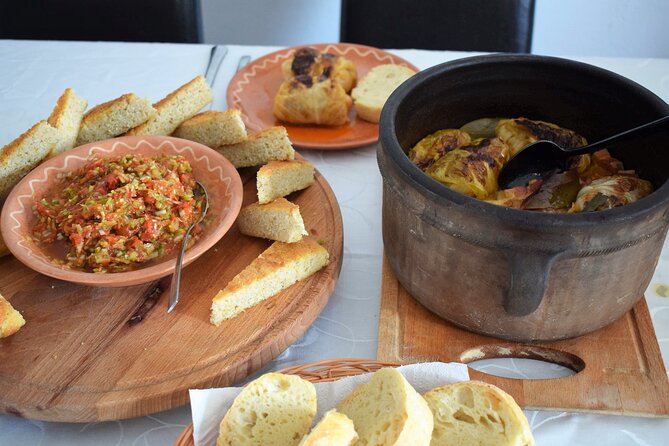
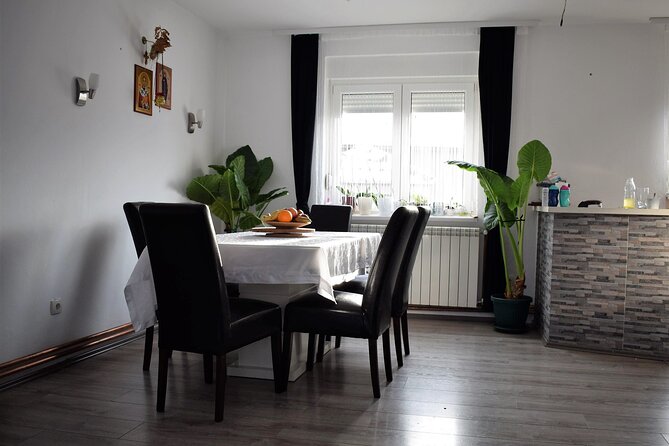
If you want to taste Serbian food in a way that actually sticks, this kind of class beats the quick photo-and-sample model. You are not just learning recipes, you are learning the rhythm of the meal. The experience takes place in Ripanj, a Belgrade suburb, in the home of Dragana. That matters because you get the real context for the food: how it is cooked, when it is served, and how the kitchen works day to day.
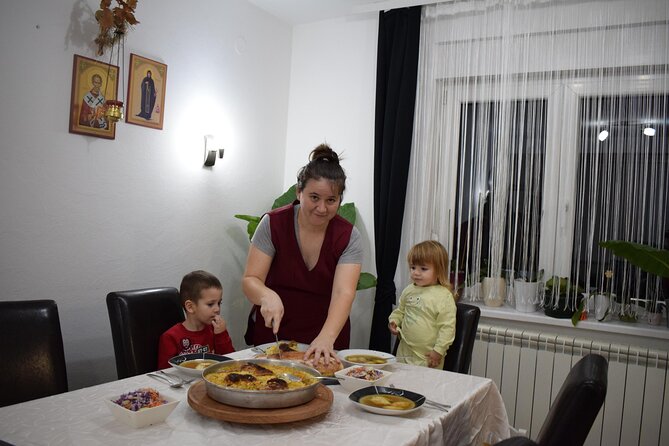
The tone is friendly and informal. The format is also refreshingly direct: you learn to make two dishes from scratch, then you share the meal with your host and group. In the reviews, people consistently highlight how hospitable Dragana is and how the class feels welcoming rather than staged. I like that, because food classes can sometimes feel like you are being processed. Here, it feels personal.
One practical note up front: the kitchen is small. That can be a good thing if you like close attention, but it also means you should not expect a lot of elbow room. It also helps explain why this works best with small groups, and why the host keeps the experience intimate.
Kitchens you can cook in around Belgrade:
- Private Serbian Food Cooking Experience in Belgrade with Meal★ 5.0 · 1 review
What you cook: three Serbian mains plus bread
This is a “cook two things well” class. You will learn a main dish plus a bread, and you’ll also bake proja while other components cook. The menus are built around classic Serbian comfort foods and hearty flavors, so even if you are not an adventurous cook, you’ll likely find a dish that fits your taste.
Your main dish choices
You choose one main option, and it comes with a matching appetizer:
- Menu 1: prebranac (baked beans)
Comes with a starter that includes suvi vrat (smoked meat), kajmak (clotted cream), and ajvar (eggplant and bell pepper dip). This is a smoky, creamy, tangy combo. Expect big flavor and a very Serbian feel, since ajvar is a staple in many households.
- Menu 2: sarma (Serbian stuffed cabbage)
Served with trljanica (salad) as the paired appetizer. Sarma is the kind of dish that teaches patience. It is also a great choice if you like savory, wrapped food and want to learn how cabbage becomes tender and flavorful instead of just boiled.
- Menu 3: pilav (rice)
Comes with a dumpling soup appetizer. If you want something lighter than the cabbage or bean focus, pilav can feel more straightforward, but it still has technique. The dumpling soup pairing helps round out the meal so you get more variety than “just rice.”
Bread and starter options
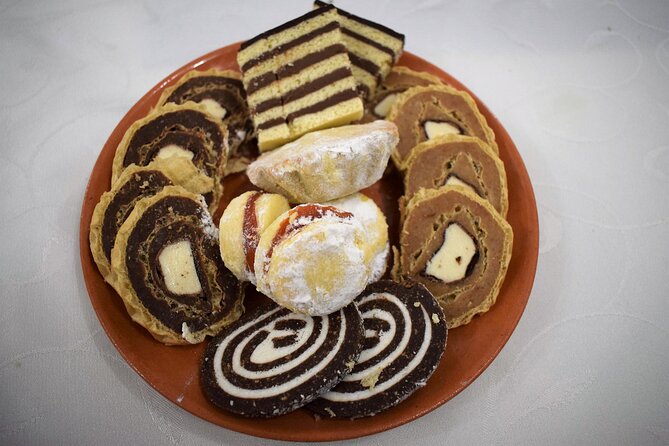
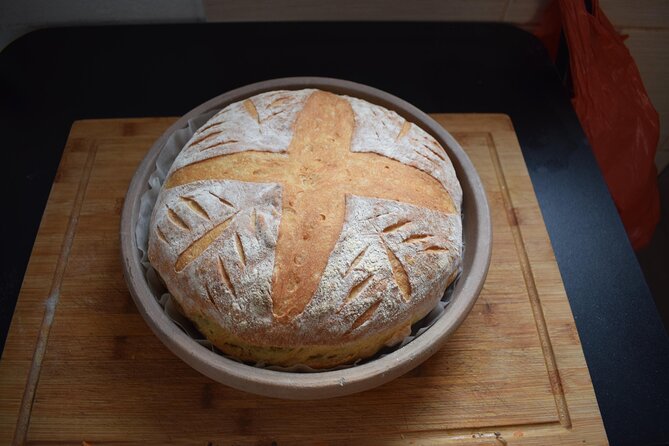
In addition to your main, you will work on bread. The class includes baking proja (traditional Serbian cornbread). Depending on the menu setup, you may also see options like hleb (flatbread). You also get salad, and dessert is sitni kolaci (sweet cookies).
Here is the helpful part for planning: the class is designed so you leave with at least two dishes you can recreate. Bread is the other half of that equation. Serbian meals often revolve around breads and shareable components, so learning proja or flatbread gives you something practical beyond the main plate.
Why these dishes are a smart pick
What makes these particular dishes a great “learning set” is that they teach different skills:
- Beans teach slow building of flavor.
- Cabbage teaches wrapping and time control.
- Rice teaches texture, seasoning, and balance.
- Bread teaches how ingredients come together into something you can cut, share, and serve.
You do not need to be a confident cook. The structure is set up for guided steps.
More sessions where you make something:
The class flow: cooking, table-setting, and a real shared meal
The typical arc goes like this: you start in Dragana’s kitchen, learn the main dish with her guidance, and while things cook, you also learn how to bake bread. As you go, you are not only focused on mixing and timing. You also learn the “why” behind the choices you are making, like what the kitchen is trying to achieve in flavor and texture.
Once your cooking is done, you do not just receive a plate and move on. You help set the table. Then you share the meal you prepared. That part is underrated if you have only done cookie-cutter cooking demos. Sitting down with the group makes the recipes feel like part of a lifestyle, not just a one-time activity.
In the reviews, people really emphasize the overall experience being fun and informative. That lines up with what this format tends to do well: it creates conversation around the food while you cook, which makes the instructions easier to remember later.
What to expect in your final meal
Your meal is built from the menu you select:
- A starter course that includes salad, bread, and dessert
- A main dish (prebranac, sarma, or pilav)
- A paired appetizer tied to that main
- Sitni kolaci for dessert
Because the meal is home-cooked and served right after cooking, you get better taste of how the dishes are meant to be eaten. Serbian food often rewards timing. Beans, cabbage, and bread are all at their best when they are freshly cooked rather than reheated.
Optional market tour: Banjica green market and ingredient shopping
If you add the optional market tour, you get a second layer of value. You start with a quick look around Dragana’s garden to see vegetables she grows, but only in the Summer months. Then you walk to Banjica green market.
Banjica is described as a spacious open-air farmers market. You can find fresh fruits, vegetables, meat, eggs, seafood, and local food. That variety is useful for home cooks. It also helps you understand why Serbian dishes rely on strong pantry staples like ajvar and why fresh produce still matters even when meals are heavy.
Your host and guide will take you to their favorite vendors. You are not stuck wandering randomly. You also get tips on how to pick the best produce. The goal is practical shopping knowledge, not just browsing.
One tradeoff: adding the market tour extends your time and adds walking. If you enjoy markets and you like learning how locals shop, it is a great add-on. If you prefer to spend all your time on the cooking part, you can skip it and keep the experience focused.
Price and value: what $104 buys you in real terms
At $104 per person, this is not a cheap activity. But when I look at what is included, it starts to make sense.
You are paying for:
- A private cooking class in a home (Dragana’s house in Ripanj)
- Guided instruction while you make two dishes from scratch
- Bread baking (proja or flatbread options)
- A home-cooked meal you help prepare
- All fees and taxes
- Gratuities included
- Optional guided Banjica green market tour if you choose it
A lot of food tours charge for the “experience” but deliver a lighter hands-on component. Here, the hands-on cooking is the centerpiece, and the meal is not an afterthought. You also get the benefit of small, home-kitchen learning, which often means more attention per minute.
The main value check for you is group size and comfort. Since the kitchen is small, you may want to come with a small party. That keeps the experience enjoyable and lets you actually cook without feeling squeezed.
Also consider logistics. There is no hotel pickup, so you will need to get yourself to the Avalska, Ripanj meeting point. If you are already near public transport lines, that is manageable. If you are far out and relying on taxis only, it can add cost in time and money.
Getting there smoothly: Ripanj logistics and timing
This class starts and ends back at the meeting point in Ripanj (Avalska). That means your schedule is fairly self-contained, but it does require you to plan your transit.
Two things to keep in mind:
- No hotel pickup or drop-off is included, so you will need to travel to the start location yourself.
- The location is noted as near public transportation, which helps if you want to avoid extra taxi stops.
The duration is about 3 hours, with roughly 2 hours of hands-on cooking. That is a comfortable length for a day where you do not want to lose your whole afternoon. It is also long enough that you can learn a real set of techniques, not just a quick assembly line.
Language is listed as English, which is important. The class is offered for English speakers, so you can follow along without guessing. If you have any allergies or dietary restrictions, you should advise at booking, and vegetarian or vegan meals can be offered on request.
Who should book this cooking class, and who should pass
This experience is a strong fit if you want an authentic Serbian meal with real technique and friendly local guidance.
Book it if you like
- Cooking you can repeat at home, not just tasting
- Being in a small home kitchen with focused instruction
- Learning Serbian staples like prebranac, sarma, pilav, ajvar, and proja
- Adding the optional market tour when you enjoy seeing where ingredients come from
Skip it if
- You need lots of personal space in the kitchen, because the home kitchen is small
- You want a hands-off experience where you do not cook much
- You are not willing to handle local transit to Ripanj, since there is no pickup
This also works well for couples and small groups, since intimacy is part of the experience. If you are traveling with a larger group, it may not suit your comfort level.
Practical tips to get the most out of it
A few small moves will help you enjoy the class more, and take home better results.
- Plan to arrive a little early so you can settle in and get oriented in Dragana’s home before cooking starts.
- Go into it ready to taste as you go. When ajvar, smoked meat, cabbage, or baked beans are being built, small decisions matter.
- If you are sensitive to ingredients or have dietary needs, flag them at booking. The host can offer vegetarian and vegan meals on request, and you should tell them what to avoid.
- If you choose the market tour, wear comfortable shoes. It is an open-air market experience, plus walking to and from vendors.
Should you book this traditional Serbian class in Belgrade?
If your idea of a great Belgrade day is learning real Serbian cooking in a local home, this is a very good choice. You get a guided class in Dragana’s kitchen, you make two dishes from scratch, you bake bread, and you eat what you cook. The optional market tour is the kind of add-on that makes ingredients feel less mysterious.
I’d book it if you want value through instruction and meal, not just a brief tasting. I’d think twice if you are worried about small indoor space or if Ripanj feels like a hassle from where you are staying.
In short: if you want Serbian food you can recreate, and you like the warmth of a real home table, this class is worth your time in Belgrade.
FAQ
What dishes will I learn to make?
You’ll make two dishes from scratch in Dragana’s home in Ripanj. You can choose prebranac (baked beans), sarma (Serbian stuffed cabbage), or pilav, and you’ll also bake proja (traditional Serbian cornbread) while other items cook.
Is there bread included?
Yes. The class includes bread baking, with proja listed as part of the experience (and starter options can include hleb depending on the menu setup).
Can I choose what main dish I cook?
Yes. The main menu options include prebranac, sarma, or pilav, and each menu has a different paired appetizer.
Do I get to eat the meal I help cook?
Yes. After the cooking class, you help set the table and then share the meal you prepared.
Is the market tour included?
The market tour is optional. If you choose it, you will visit Dragana’s garden in Summer months and then walk to Banjica green market with a guided walk.
Is hotel pickup included?
No. Hotel pickup and drop-off are not included. The experience ends back at the meeting point in Ripanj, near public transportation.
Can I get a full refund if I cancel?
Yes. Free cancellation is available, and you can cancel up to 24 hours in advance for a full refund. If you cancel less than 24 hours before the start time, the amount paid is not refunded.
Newly written up in Belgrade
- Private Belgrade Street Art Tour
★ 5.0 · 1 review - The best of Novi Sad walking tour
★ 5.0 · 1 review - Tara National Park, Mokra Gora and Zlatibor
★ 5.0 · 1 review - Zasavica Bike Tour
★ 5.0 · 1 review - Discover Belgrade’s most Photogenic Spots with a Local
★ 5.0 · 1 review - Private Serbian Food Cooking Experience in Belgrade with Meal
★ 5.0 · 1 review - Topola: Royal Dynasty Half Day Tour from Belgrade
★ 5.0 · 1 review