Reviewed · PRIVATE
Kovacica Naive Art Experience – Private Half DayTour from Belgrade
A quiet village in Serbia changes your pace fast. This private half day tour to Kovačica turns “naive art” into a real, lived story, starting with Slovak Protestant roots and continuing through painters, galleries, and workshop visits. Two things I like a lot are how personal the art feels in the village setting, and how the guide connects creativity to the wider cultural history around it.
You will also get a behind-the-scenes look at how objects and images are made, not just displayed. One drawback to consider: this is a 4-hour schedule, so you have less time than a full day to wander every corner on your own, especially if you fall hard for the paintings.
In This Review
- Key things you’ll notice on this Kovačica tour
- Why Kovačica feels different from a typical Belgrade outing
- Private 4 hours from Belgrade, with pickup that actually helps
- Galeriјa Naivne Umetnosti and the village galleries that teach you how to look
- A practical tip for enjoying the art more
- The WWII-era creative surge, and why the story behind the paintings matters
- Meeting the violin maker, and why “craft” complements art perfectly
- Price and value: is $289.65 per group worth it?
- Who this tour suits best (and who might want a different plan)
- What to ask your guide before you start looking
- Should you book this Kovačica naive art tour?
- FAQ
- How long is the Kovačica naive art private tour from Belgrade?
- What is the price for this tour?
- Is hotel pickup included?
- What will I see in Kovačica?
- Is admission included?
- Are refreshments provided?
- Does it run in bad weather?
- What is the cancellation policy?
Key things you’ll notice on this Kovačica tour
- Village art, not just museum walls, with several galleries and ateliers
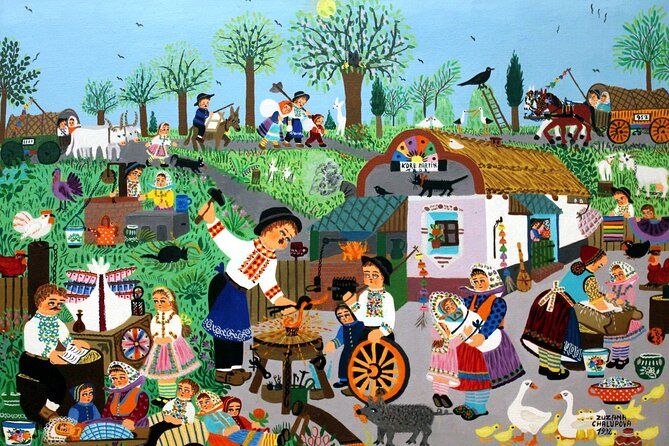
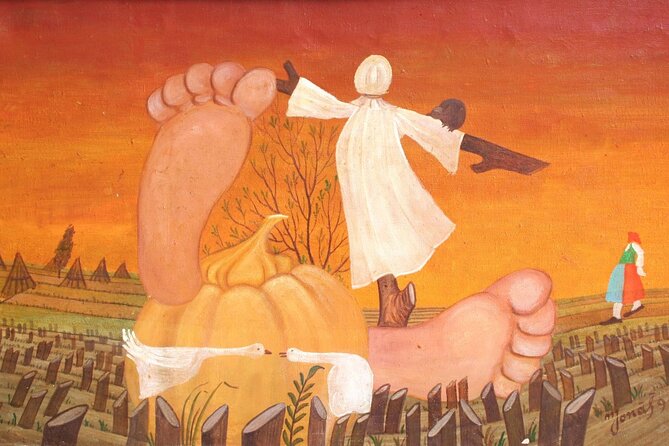
- Galeriја Naivne Umetnosti as a main stop, including works by Martin Jonaš and Zuzana Chalupova
- A craft visit to a violin maker’s home and workshop, where you see tradition in action
- A private group up to 3 people, which keeps the pace comfortable
- Light refreshments and hotel pickup, so the day trip feels organized from the start
Why Kovačica feels different from a typical Belgrade outing
Kovačica sits about 48 km (30 miles) northeast of Belgrade, on the wide, fertile Pannonian plain. On paper, that is a quick hop. In real life, it is a shift. The village is known for a school of naive art, an artistic style often described through its direct, joyful expression, and you experience it where it was born and kept alive.
The village’s story starts in 1802. Around 200 Slovak Protestant families migrated into the then Austro-Hungarian Empire, settled at a crossroads near a small blacksmith workshop, and raised a community that preserved its traditional way of life. The tour frames that background in a practical way: you understand the art better when you see the setting and the community habits that produced it.
Even if you are not an art expert, you’ll still get something. The creativity here is presented as human, everyday, and communal, not like a fancy art label. That makes it easier to appreciate.
Other Belgrade trips travellers weigh against this one
- Private Red Star-Partizan Stadium Tour in Belgrade★ 5.0 · 72 reviews
- Belgrade Private City Tour★ 5.0 · 41 reviews
- Private Transfer★ 5.0 · 40 reviews
Private 4 hours from Belgrade, with pickup that actually helps
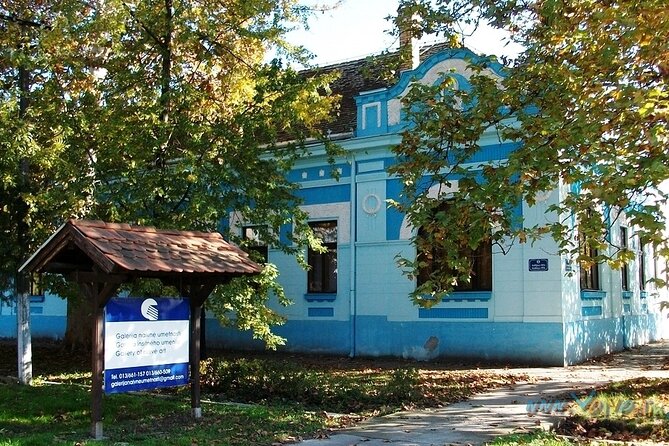
This is a private tour, designed for a group of up to 3 people, so you are not pushed into a big bus rhythm. You get round-trip transfer by air-conditioned car, minivan, or minibus, plus hotel pickup and drop-off. For a short half-day, that matters more than you might think. You spend less time figuring things out, and more time where the art and craft are happening.
The tour runs about 4 hours. Operates in all weather conditions, so plan for changes in the sky and wear something appropriate. “Most travelers can participate,” which is useful if you are worried about logistics, but still, keep in mind you will be moving through village spaces and galleries.
If you like tours where your guide can slow down or speed up based on your interests, a private group is a smart match. You can ask follow-up questions without feeling like you’re holding everyone back.
Galeriјa Naivne Umetnosti and the village galleries that teach you how to look
The day’s art anchor is Galerija Naivne Umetnosti, and the approach is refreshingly simple. You do not just see art as pictures behind glass. You visit multiple galleries and ateliers, so you start to understand how the style works across different rooms, spaces, and local artists.
You also get a focused introduction to two well-known painters: Martin Jonaš and Zuzana Chalupova. Having recognizable names helps because you can compare what you see from stop to stop, instead of feeling like you are chasing vague impressions.
In these galleries, naive art often reads as emotionally direct, with scenes that can feel like everyday life translated into image form. That is the core of why the village setting matters. You’re not looking at something “strange.” You’re looking at something created by people who built a community and kept making art through changing times.
A practical tip for enjoying the art more
Go into the galleries with one question in mind: what everyday moment is being shown, and what emotion does the painter seem to emphasize? When you use that lens, the art starts to feel personal instead of just decorative.
The WWII-era creative surge, and why the story behind the paintings matters
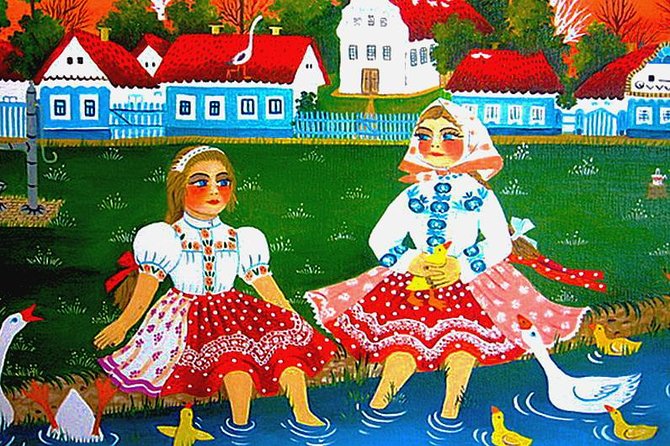
A big part of the Kovačica angle is the way creativity accelerated after World War II. In the wake of the war, villagers experienced a surge of creative energy, mostly expressed visually. The art communicates emotions, habits, and everyday scenes, and it carries that “fresh” directness people associate with naive art.
This is where the guide can make a real difference. In the review feedback for this tour, the guide is praised for connecting the village story to broader regional context, including the history of Yugoslavia. That kind of framing can turn a half-day from a simple sightseeing block into a clearer understanding of why this style became so recognized beyond Serbia, even reaching attention from cities like Tokyo and New York.
One more benefit of this storytelling style: it helps you look at the art like a cultural mirror. You start to see how a community’s identity can show up in paintings, not just in official history.
Worth putting on the shortlist while you plan Belgrade:
Meeting the violin maker, and why “craft” complements art perfectly
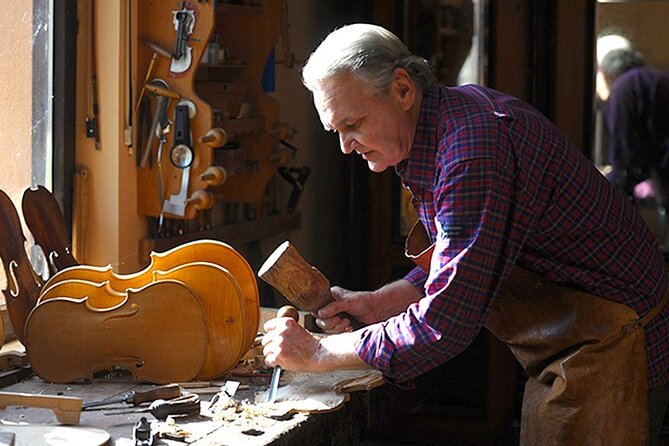
After the art galleries, the tour shifts from paintings to hands-on making. You visit the home and workshop of a distinguished violin maker, described as the head of one of the most creative families in this unique place.
Even with limited time, this stop changes the feel of the day. Naive art can explain how a community expresses itself visually, and the violin maker explains how the same community expresses skill through craft. You get a different kind of creativity, one that depends on patient technique and materials you can often recognize in the room.
Because the violin maker stop is a home and workshop visit, it tends to feel more personal than a formal museum experience. You are likely to come away with a clearer sense of what “tradition” means here: it’s not just old, it is still active.
Price and value: is $289.65 per group worth it?
The price is $289.65 per group for up to 3 people, for about 4 hours. That can sound steep if you compare it to per-person group tours, but private tours work on group pricing, not seat pricing.
If your group uses the full capacity, your effective cost per person comes down a lot. For 3 people, that is roughly $96.55 each before any souvenirs or meals outside the plan. And the inclusions are meaningful for a short trip:
- Hotel pickup and drop-off
- Round-trip private transfer
- Professional guide
- Light refreshments
- Transport by air-conditioned vehicle
- Admission ticket included
You are also saving time and hassle. Even if you could rent a car or figure out transit, you likely would not recreate the same smooth access to galleries and the workshop visit within a half day.
The big question is fit, not math. If you want a guided explanation of naive art and you like workshop-level details, the value is easier to see. If you simply want to wander freely and you are already fluent in art history, you might not need a private guide.
Who this tour suits best (and who might want a different plan)
This is a strong match if you want:
- A structured half-day with pickup and a guide who brings context
- A gentle, personal introduction to naive art
- Time in the countryside without committing to a full day
It also works well for couples, friends, and small families traveling together, mainly because the group stays small and the guide can adjust your pace. The tour includes light refreshments, but it does not promise a full meal, so keep your timing in mind.
On the other hand, if you are the type who wants hours and hours of independent browsing, you may feel slightly rushed. The schedule is designed to cover the village highlights efficiently, not to maximize your own wandering time.
What to ask your guide before you start looking
Since the tour includes a professional guide, use those first minutes well. I’d ask questions like:
- How did naive art take off in Kovačica after World War II?
- What should I look for first in the works by Martin Jonaš and Zuzana Chalupova?
- What makes a violin maker’s workshop part of the village’s creative story?
One review note stands out for this guide: the guide’s name is Srdjan, and he is praised for being respectful and connecting the village’s creative story to the wider regional history, including the Yugoslavia angle. He may even point you to his book, Yugoslavia: Utopia or Inspiration? If he offers that, it’s a useful follow-up for turning a good half day into a deeper understanding later.
Should you book this Kovačica naive art tour?
Book it if you want an efficient, thoughtfully guided introduction to Kovačica’s naive art school, plus a craft visit to a violin maker’s home and workshop. The private size, hotel pickup, and included admission make it feel organized, and the gallery stops give you more than one angle on the art style.
Skip it or consider a different format if you prefer maximum free time to roam without guidance, or if you only care about art in the most general sense. This tour is best when you like guided context and want to understand what you are seeing.
If your ideal day-trip is short, structured, and focused on creativity in the real world, this one is a smart choice.
FAQ
How long is the Kovačica naive art private tour from Belgrade?
It lasts about 4 hours.
What is the price for this tour?
It costs $289.65 per group, for up to 3 people.
Is hotel pickup included?
Yes, hotel pickup and drop-off are included.
What will I see in Kovačica?
You visit several galleries and ateliers tied to naive art, including Galeriја Naivne Umetnosti, and then you go to the home and workshop of a violin maker.
Is admission included?
Yes, the admission ticket is included.
Are refreshments provided?
Light refreshments are included.
Does it run in bad weather?
Yes, it operates in all weather conditions. Dress appropriately.
What is the cancellation policy?
You can cancel for a full refund up to 24 hours in advance. If you cancel less than 24 hours before the start time, the amount paid is not refunded.
Newly written up in Belgrade
- Private Belgrade Street Art Tour
★ 5.0 · 1 review - The best of Novi Sad walking tour
★ 5.0 · 1 review - Tara National Park, Mokra Gora and Zlatibor
★ 5.0 · 1 review - Discover Belgrade’s most Photogenic Spots with a Local
★ 5.0 · 1 review - Zasavica Bike Tour
★ 5.0 · 1 review - Private Serbian Food Cooking Experience in Belgrade with Meal
★ 5.0 · 1 review - Topola: Royal Dynasty Half Day Tour from Belgrade
★ 5.0 · 1 review
Private, compared.
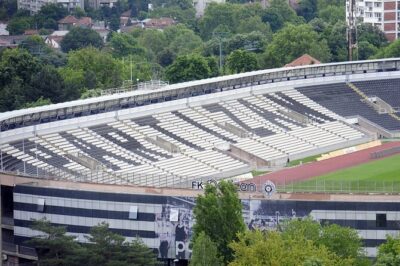
Private Red Star-Partizan Stadium Tour in Belgrade
Read our review →


Private transfer from Belgrade or Belgrade Airport to Novi Sad
Read our review →
Private Day Tour to Fruska Gora Monasteries, Sremski Karlovci and Novi Sad
Read our review →
Private Novi Sad, Titanic wine tasting and Farmer’s House
Read our review →