
Reviewed · ZLATIBOR & MOKRA GORA TRIPS
From Sarajevo: Višegrad, Andrićgrad, Šargan Train, Drvengrad
A day trip that links two countries fast. I especially loved walking the UNESCO Višegrad Bridge and riding the Šargan Eight Train, because both feel like something you cannot fake with photos. One thing to consider is that it’s a long 12-hour day, plus you’ll have extra paid add-ons for the train and Drvengrad entry.
You also get a tight, small-group format, limited to 7 people, with an English live guide. The drive itself matters here too, since you’ll roll through mountain scenery on the way toward Višegrad and up to Mokra Gora.
For about $84 per person, you’re not just buying tickets. You get hotel pickup and drop-off in Sarajevo, air-conditioned transport, bottled water, and luggage storage, which makes the whole border-and-back day much easier.
In This Review
- Key highlights worth planning around
- Sarajevo to Višegrad: the drive that sets the tone
- Višegrad Bridge: UNESCO views you can actually walk on
- Andrićgrad: stone streets shaped by Ivo Andrić
- Dobrun monastery (Manastir Dobrun): a quiet XV-century pause
- Mokra Gora and the Šargan Eight Train ride
- Drvengrad (Mećavnik): the walkable village finale
- Price and logistics: does $84 per person make sense?
- What makes the guides matter on this route
- Who this tour is for, and who should pick something else
- Should you book this Višegrad, Andrićgrad, and train day trip?
- FAQ
- How long is the tour from Sarajevo?
- What are the main stops during the day?
- Is the Šargan Eight Train ticket included in the price?
- Do I need to pay for Drvengrad entrance?
- Is hotel pickup and drop-off included?
- Do I need a passport for this tour?
- Are meals included?
- How large is the group?
- What language is the tour guide?
Key highlights worth planning around
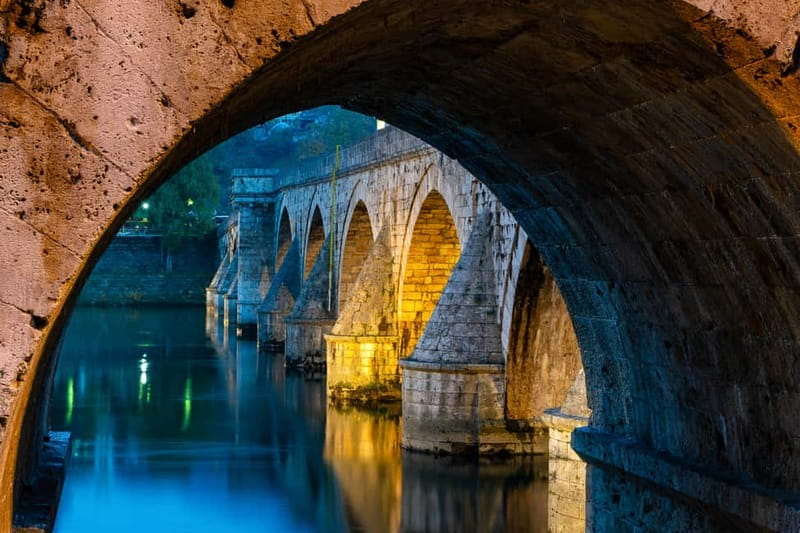
- Višegrad Bridge UNESCO walk across one of the Drina River’s most iconic views
- Andrićgrad photo stops and guided walk in a stone town inspired by Ivo Andrić
- Dobrun monastery pause for a calm, time-honored Orthodox setting
- Šargan Eight Train ride on one of Europe’s last operating narrow gauge lines
- Drvengrad (Mećavnik) film-set style village with a separate entrance to help you get in faster
Sarajevo to Višegrad: the drive that sets the tone
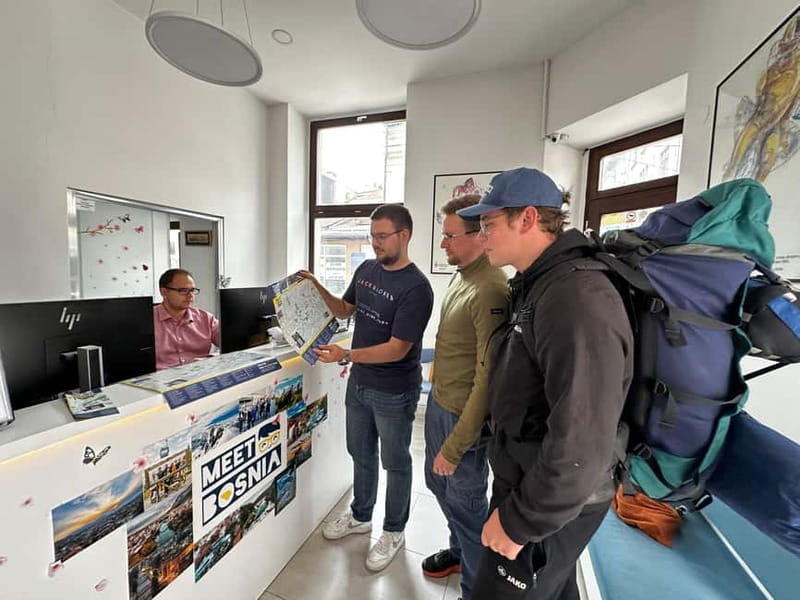
This tour works because it’s more than a checklist. You start in Sarajevo with hotel pickup and then you’re on the road for a full day, with scenery changing steadily as you head east toward Serbia. Expect mountain roads and long stretches of countryside views, including a chance to look out toward the Romanija Mountains while you’re traveling.
The practical bonus is comfort. The transport is an air-conditioned modern vehicle, and you keep your day moving with bottled water and luggage storage. In a trip like this, that small convenience matters more than you’d think, because your time is split between short guided stops and longer stretches of road travel.
If you’re sensitive to long days, plan your energy early. This is not a quick two or three-hour hop. You’ll be out for about 12 hours, so wear good walking shoes and bring layers for changing weather.
More time in the Zlatibor and Mokra Gora hills:
- Belgrade: Best of West (Drina House, Drvengrad and Sargan 8)★ 4.7 · 195 reviews
- Šargan Eight Railway, Wooden Town & House on Drina river day trip from Belgrade★ 5.0 · 107 reviews
- From Belgrade: Best of West (Drina House, Drvengrad & Sargan 8)★ 5.0 · 104 reviews
Višegrad Bridge: UNESCO views you can actually walk on
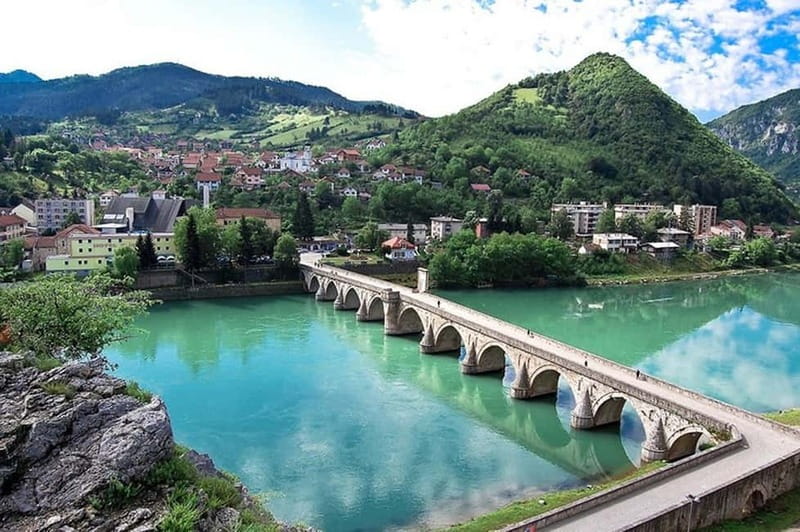
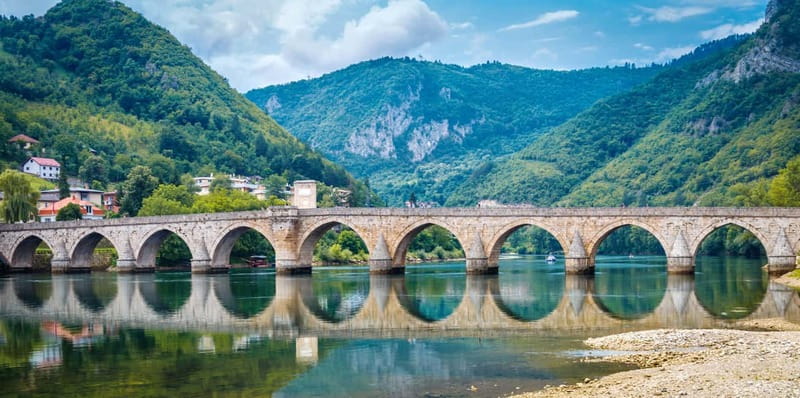
Višegrad is where the day turns into a real postcard. You get a guided visit and you’ll spend focused time sightseeing and taking in views, with a strong centerpiece: the Mehmed Paša Sokolović Bridge over the Drina River.
Walking here is the point. From the bridge you get multiple angles of the river corridor, and the Ottoman-era structure anchors all those views in a way that feels immediate. It’s also UNESCO-listed, which helps explain why so many people use this as their main visual stop for the region.
The other underrated value is context. A good guide will connect the bridge to the Nobel Prize-winning writer Ivo Andrić, since the bridge is often linked to the cultural memory of the area. If you like places where literature and architecture overlap, you’ll feel the payoff quickly.
Time check: your stop is short, so don’t wait until the end to find your best viewpoints. Go early, get your photos, and then slow down for the walking portion.
Andrićgrad: stone streets shaped by Ivo Andrić
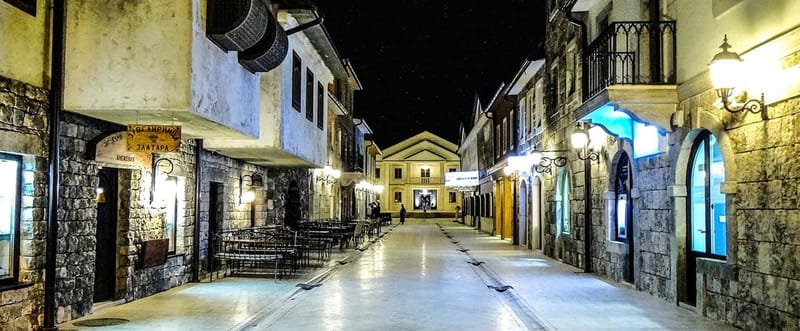
After Višegrad, you move into Andrićgrad, a stone town created to honor Ivo Andrić. This isn’t a museum where you mostly stand still. It’s more like an outdoor set of buildings, lanes, and facades you can explore at walking speed.
The guided portion plus photo stops are built for a quick but complete feel. You’ll see architectural styles that vary around the town, and the guide’s job is to make those choices make sense rather than just explain what you can already see. If you’ve ever enjoyed literary travel, this is one of the better ways to turn reading into real geography.
The part I like for practical travelers is that Andrićgrad is easy to enjoy even if your cultural interest is broad. You can focus on photos and atmosphere, or you can focus on meaning and design. Either way, it stays visually engaging.
One small consideration: because it’s a compact town walk, it rewards steady pace. Bring water, take short rests when needed, and keep an eye on the time so you’re not rushed moving between photo points.
Dobrun monastery (Manastir Dobrun): a quiet XV-century pause
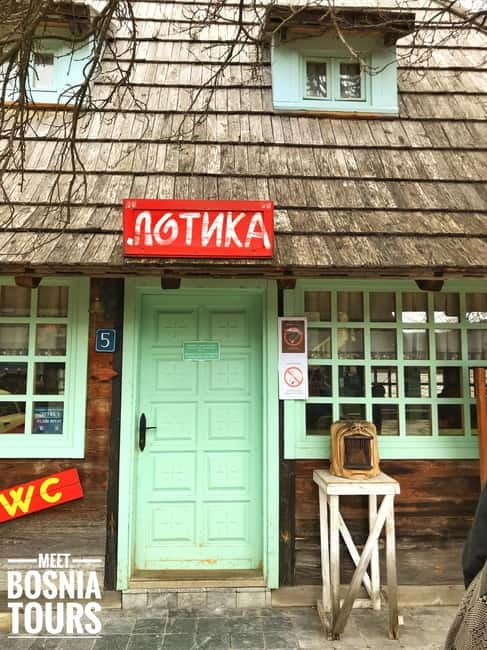
Then comes a very different mood. At Dobrun Monastery, you have a photo stop with time to look around. This is an Orthodox monastery setting dating back to the 15th century, so it reads more like a still-life stop than a long exploration.
I like stops like this because they prevent the day from becoming only trains, bridges, and buildings in one continuous “headline” line. Here, you get a chance to slow down, step back from the road travel, and notice details like stone textures and the feeling of a place that has endured.
Because your time is limited, treat it as a visual reset. Get a few photos, listen to the guide’s framing, and then take a short walk around where you’re allowed to so you feel the scale.
If you’re traveling with people who like churches but don’t want a long religious visit, this is a manageable middle ground.
Mokra Gora and the Šargan Eight Train ride
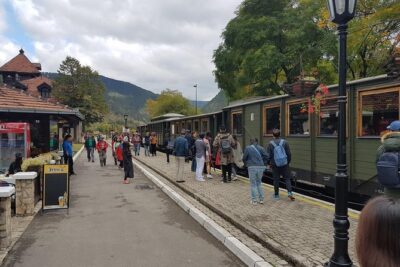
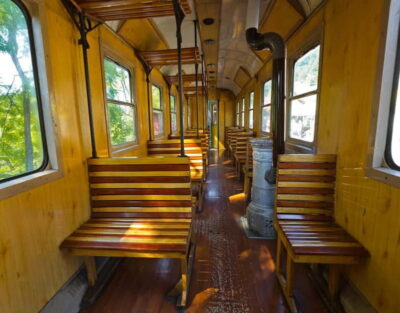
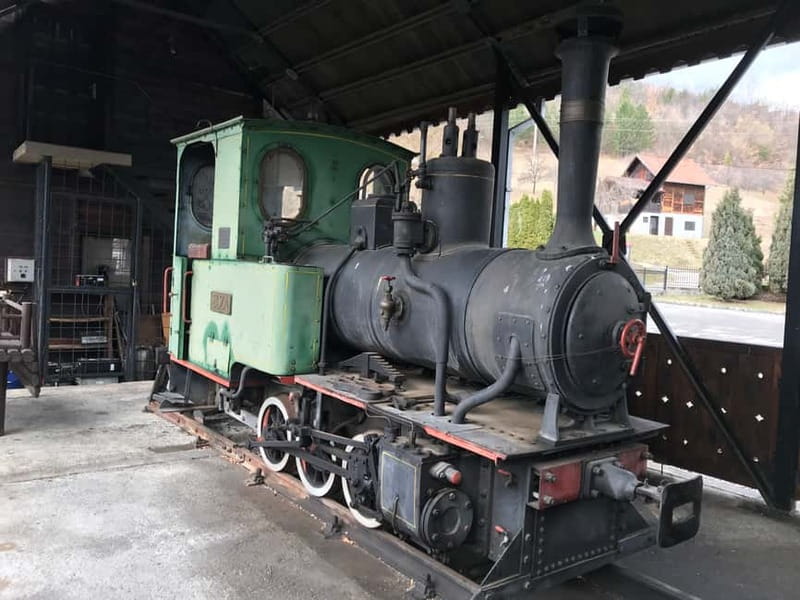
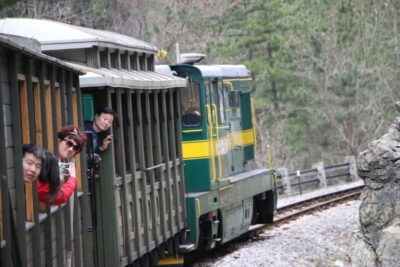
Mokra Gora is where the day becomes fun in a very physical way. You’ll visit, get guided context, and then ride the Šargan Eight Train. This narrow gauge railway is highlighted as one of the last operating lines of its kind in Europe, and the ride quality is a big reason the tour gets such high scores.
What you’ll feel on the train is the scenery moving in a different rhythm. It’s not like a bus window. You’re on tracks, and the changing views come in a sequence that makes you look up more often. Several people highlight the scenic ride, and that matches what you’d expect from a historic narrow gauge line.
Expect a paid add-on here. The train ticket is typically 1,200 RSD (Serbian dinars) or 10€ per person, and availability can depend on season. In other words, the operator is promising the experience, but the exact timing and conditions can shift. If you’re a “must do this ride no matter what” type, it’s smart to keep a flexible mindset and be prepared for a seasonal schedule difference, especially in winter.
Also, build in patience. A train stop includes boarding time and waiting time. Your guide will keep the day moving, but you are still adding a ride length into a full 12-hour program.
More travel by rail, Sargan Eight included:
Drvengrad (Mećavnik): the walkable village finale
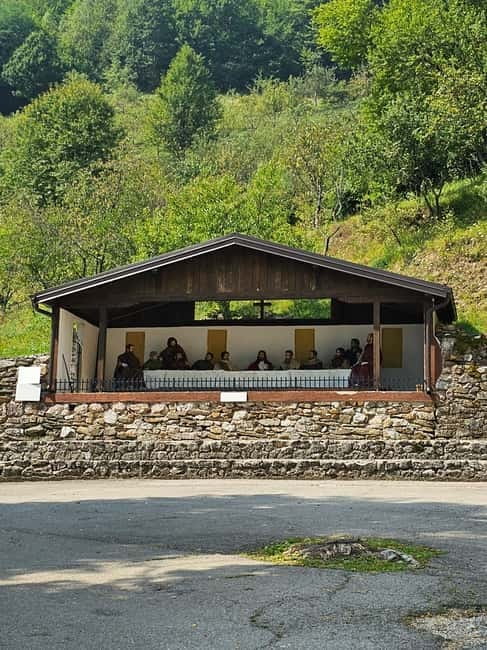
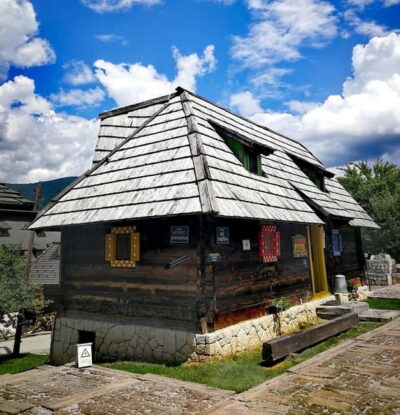
The final big set-piece is Drvengrad, also known as Mećavnik. Think of it as a village you can walk through, designed to feel cinematic. Even if you do not know the films connected to the vibe, the place is still enjoyable because it’s built for atmosphere and photos.
You’ll get a break time plus photo stops and a guided tour. It’s the kind of stop where you naturally pause, look around, and decide what angles you want. People tend to remember it as the finale because it feels like a different world compared with bridges and monasteries.
Two practical points:
- Drvengrad has an entrance fee of 3€ per person, so have a little cash or card ready.
- There’s a separate entrance to help you skip the line, which is genuinely helpful when you’re on a tight schedule.
If the weather turns, this is still workable because you can spend time under cover while still exploring.
Price and logistics: does $84 per person make sense?
At $84 per person, the value depends on what you already plan to do in the area. If you’re staying in Sarajevo and you want Višegrad, Andrićgrad, Dobrun Monastery, Šargan Eight Train, and Drvengrad without renting a car and dealing with border logistics yourself, this package is a strong deal.
Here’s what you’re getting that saves real effort:
- Professional guide in English
- Hotel pickup and drop-off in Sarajevo
- Small group size, limited to 7 participants
- Air-conditioned modern vehicle transport
- Bottle of water
- Luggage storage
What costs extra, and why that’s not just “nickel-and-diming”:
- Drvengrad entrance is 3€ per person.
- Šargan Eight Train is 1,200 RSD or 10€ per person, and it can be subject to availability depending on season.
- Food and drinks are not included.
For me, the key is that the paid add-ons line up with the highest-impact experiences. The train ride and Drvengrad are not minor side quests. If you do those, the tour becomes much more than a long drive with sightseeing stops.
So bring a bit of budget buffer for meals and the two entry fees, and you’ll feel good about the overall spend.
What makes the guides matter on this route
On a day like this, the guide is not just a voice in the background. The best guides connect the dots: UNESCO bridge meaning, Andrićgrad’s literary inspiration, and why these places sit where they do in a region with complicated pasts.
You’ll also benefit from a guide who manages time well, because some stops are intentionally short. Many guides on this route are praised for being friendly, attentive, and very helpful on the road. Names that show up often include Senad, Amir, Chris, Alem, and Vedad, plus Enis and Ismet in other runs. Whoever you get, the style that gets the best results is clear and practical, with history woven into the views you’re actually seeing.
If you like conversation, you can usually get it. Several people mention meaningful talks during the drive and helpful answers during stops.
Who this tour is for, and who should pick something else
This is a great fit if you want:
- A Serbia taste from Sarajevo without planning transport or timing
- A mix of major sights and shorter, calmer pauses (bridge, town, monastery, village)
- One standout experience that’s practical and fun, the Šargan Eight Train ride
- A small group day where you are not shuffled around with dozens of people
You might choose another option if:
- You strongly prefer only Bosnia sites and do not want the border crossing into Serbia.
- You dislike long road time. This is a full-day format, and the train adds more sitting.
- You have a tight schedule and can’t afford a 12-hour departure plus return.
Should you book this Višegrad, Andrićgrad, and train day trip?
If you like iconic scenery you can walk through, plus one memorable transport experience on historic tracks, I’d book it. The route is well structured for a long day: UNESCO bridge first, literary stone town next, a monastery reset, then the train and the village finale.
Just go in prepared for the two extra costs (Šargan Eight Train and Drvengrad entry) and for the fact that you will be on the move most of the day. If you do that, this becomes one of the most efficient ways to see the region beyond Sarajevo and Mostar.
FAQ
How long is the tour from Sarajevo?
The duration is 12 hours.
What are the main stops during the day?
You visit Višegrad, Andrićgrad, Manastir Dobrun, Mokra Gora, and Drvengrad (Mećavnik), with time for the Šargan Eight Train ride.
Is the Šargan Eight Train ticket included in the price?
No. The train costs 1,200 RSD or 10€ per person and is payable with card or cash, subject to availability depending on season.
Do I need to pay for Drvengrad entrance?
Yes. Drvengrad entrance is 3€ per person and is not included.
Is hotel pickup and drop-off included?
Yes. Pickup and drop-off are included, and you should wait in your hotel lobby 10 minutes before the scheduled pickup time.
Do I need a passport for this tour?
Yes. All visitors must pass border security, and passports are required.
Are meals included?
Food and drinks are not included, so plan for lunch and snacks on your own during the day.
How large is the group?
It is a small group limited to 7 participants.
What language is the tour guide?
The live tour guide speaks English.
Newly written up in Belgrade
- Private Belgrade Street Art Tour
★ 5.0 · 1 review - The best of Novi Sad walking tour
★ 5.0 · 1 review - Tara National Park, Mokra Gora and Zlatibor
★ 5.0 · 1 review - Discover Belgrade’s most Photogenic Spots with a Local
★ 5.0 · 1 review - Zasavica Bike Tour
★ 5.0 · 1 review - Private Serbian Food Cooking Experience in Belgrade with Meal
★ 5.0 · 1 review - Topola: Royal Dynasty Half Day Tour from Belgrade
★ 5.0 · 1 review
Zlatibor & Mokra Gora Trips, compared.
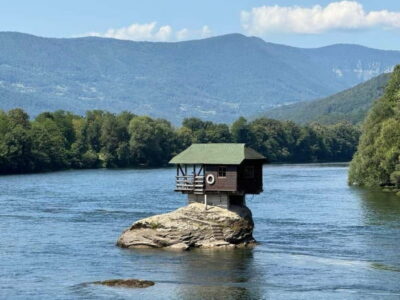
Best of West (Drina House, Drvengrad and Sargan 8)
Read our review →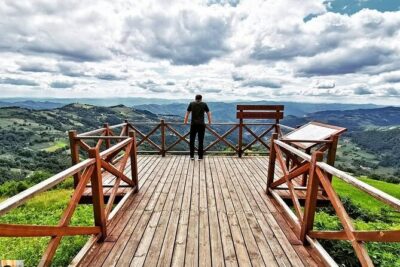
Šargan Eight Railway, Wooden Town & House on Drina river day trip from Belgrade
Read our review →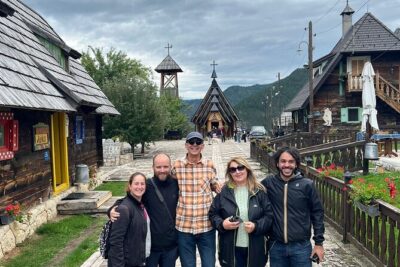
Best of West (Drina House, Drvengrad & Sargan 8)
Read our review →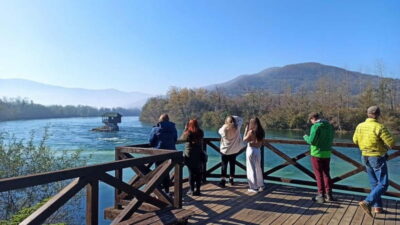
West of Belgrade: Woodentown, Šargan 8 train & Drina River
Read our review →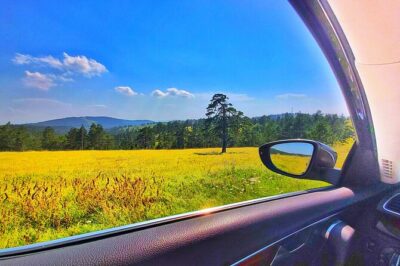
Visegrad, Sarkan Eight Railway & Kurstendorf Tour
Read our review →
From Zlatibor/Užice: Mokra Gora & Tara National Park
Read our review →More Serbia tours of this kind