Reviewed · PRIVATE
Belgrade Insight Private Tour – For Those Who Seek Answers
Belgrade can feel like a city made of answers. This private tour is built for that mood, guiding you through the places that shaped Serbia and the wider former Yugoslavia. I especially like the politics and history storytelling and the chance to see both Tito-era landmarks and major religious architecture in one day. One thing to consider, it is a lot to absorb in about 6-7 hours, so go in with comfortable shoes and a curious mindset.
You start with a scenic walking intro at Kalemegdan and Belgrade Fortress, then shift into driving panoramas across Old Belgrade and the socialist New Belgrade. I also like that you get one included drink during a planned refreshment break, plus museum time where key exhibits connect the dots. If you want only postcard views and no context, this may feel a bit more serious than you expected.
In This Review
- Key things I’d mark on your Belgrade day plan
- Why this Belgrade political history tour feels different
- Kalemegdan Park and Belgrade Fortress, your fast orientation with river views
- Trg Republike and Knez Mihajlova, where Belgrade explains itself
- Old Town to New Belgrade by car, and the story behind what you see
- Museum of Yugoslavia and the House of Flowers, Tito’s ending and the context around it
- St Sava Temple, 17,000 square meters of mosaics and a cathedral made for scale
- Panoramas on Nemanjina, Slavija, Terazije, and where the city still shows scars
- Price and value: $461.42 per group up to 2, and why it can make sense
- Who this Belgrade tour is for, and who might want a different style
- What to expect on the ground: timing, comfort, and small practical tips
- Should you book Belgrade Insight for a politics and history day?
- FAQ
- What time does the tour start?
- How long should I plan for?
- Is this a private tour?
- What’s included in the price?
- Do I get a break during the tour?
- Are entry tickets required for major stops?
- Is the tour offered in all weather?
- Is cancellation free if plans change?
- What to pack for a comfortable day
Key things I’d mark on your Belgrade day plan
- A politics and history focus that connects places, dates, and power struggles, not just monuments
- Kalemegdan and fortress viewpoints over the Sava and Danube confluence, plus a quick orientation of the city
- Tito sites with real interpretation at the House of Flowers and Museum of Yugoslavia
- St Sava Cathedral mosaics at scale, with time to appreciate why the building matters
- Old Belgrade to New Belgrade contrast from the Orthodox center to post-WWII architecture
- Private, small-group pacing with hotel pickup and roundtrip return
Why this Belgrade political history tour feels different
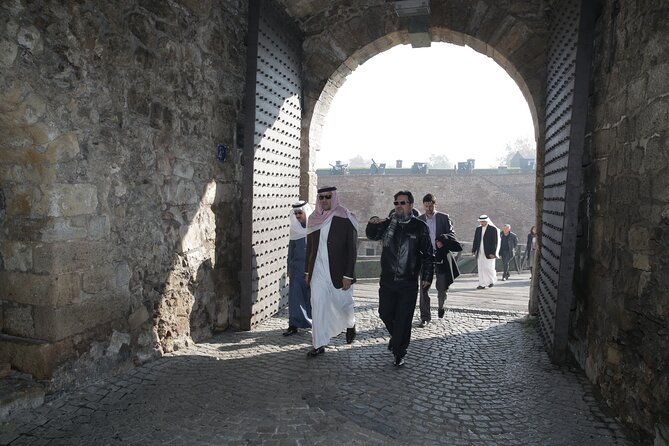
This is not a checklist tour. It is built around cause and effect, where a guide explains how Belgrade became a crossroads for empires, ideologies, and conflicts, and then shows you what that looks like on the street today. You are moving from the older layers, fortress walls and river views, into the 20th century story, with Tito’s final resting place and the Museum of Yugoslavia.
Two things make it work well for most visitors. First, the mix of walking and driving keeps you active but not exhausted, especially when you are learning. Second, the schedule repeatedly returns to the big theme, why events in the former Yugoslavia still shape identity and public space.
The main tradeoff is density. You will cover a lot of ground and ideas, so if you prefer a slow, artsy day with unstructured time, you might want something lighter.
Other Belgrade trips travellers weigh against this one
- Private Red Star-Partizan Stadium Tour in Belgrade★ 5.0 · 72 reviews
- Belgrade Private City Tour★ 5.0 · 41 reviews
- Private Transfer★ 5.0 · 40 reviews
Kalemegdan Park and Belgrade Fortress, your fast orientation with river views
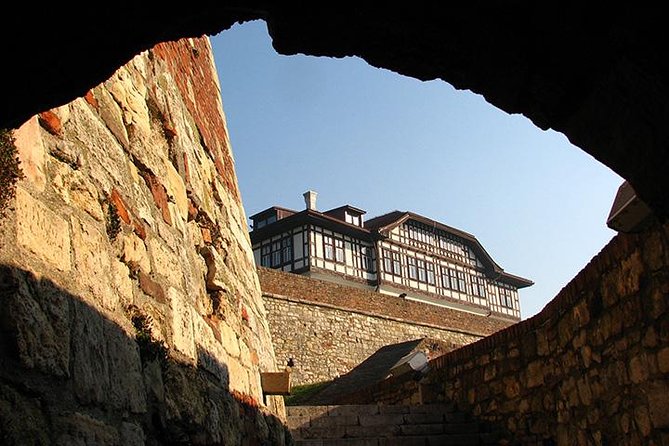
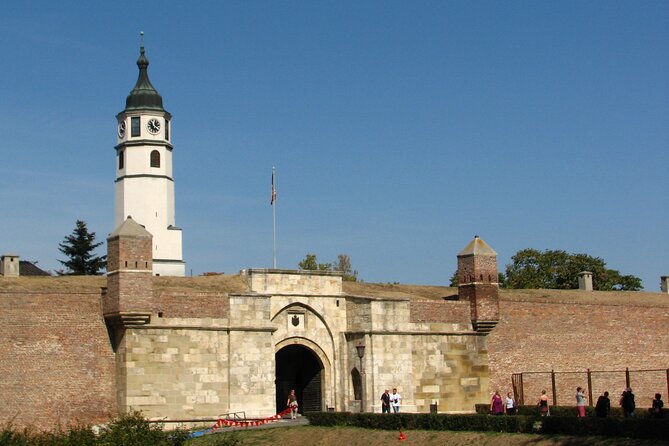
The day starts in Kalemegdan Park and Belgrade Fortress, which is exactly where I like to begin in Belgrade. From here, you quickly understand the city’s geography because the fortress gives you sweeping views where the Sava and Danube meet. Seeing the rivers connect visually to the city’s past makes the rest of the tour easier to follow.
You also get a walk in an area tied to settlement going back thousands of years, so the guide can explain Belgrade as a long-running crossroads, not a single era’s capital. Admission here is listed as free, so this is a low-cost way to get a high-value orientation.
Practical note: this is an active start. Even though the tour keeps a comfortable pace, you should wear shoes you trust on uneven paths, steps, and viewpoints.
Trg Republike and Knez Mihajlova, where Belgrade explains itself
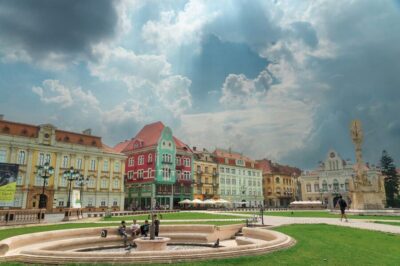
After the fortress, the tour heads into the heart of the city, moving toward Trg Republike and the area around Knez Mihajlova, the main pedestrian street. This part is less about a single monument and more about rhythm, students, institutions, and the grand civic buildings that shape how people experience the city center.
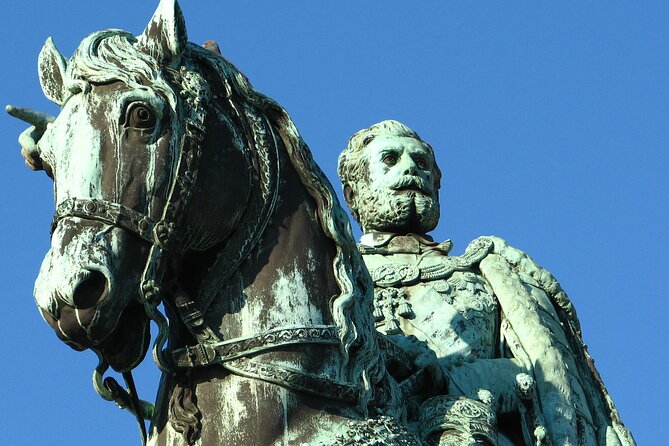
The guide points out Student’s Square and Belgrade University, then continues to Republic Square where you can see a 19th century monument to Prince Michael. The National Theater and the National Museum are part of the same central panorama, so you get a sense of how culture and state identity sit side by side.
Then you get a planned refreshment break at the pedestrian zone around Republic Square. The schedule notes 30 to 45 minutes, and it includes one drink per person. This is a smart built-in buffer, because it gives you a reset before the day shifts into a more “on the move” second stage.
Old Town to New Belgrade by car, and the story behind what you see
After the break, you switch into a panoramic ride that helps you connect neighborhoods to the political and cultural themes the guide is building. The drive takes you past the Orthodox Cathedral and the Patriarchate of the Serbian Orthodox Church, which matters in Serbia because religion and national history are often linked in public life.
You also pass Princess Ljubica’s Residence, then you roll by the Question mark Inn, described as the oldest restaurant in the city and the only one worldwide with such a name. It’s the kind of detail that makes a drive feel specific to Belgrade, not generic.
Next comes the city’s modern contrast. The tour crosses the Sava River into New Belgrade, where you see post-WWII socialist architecture. On this ride, you’ll see Ušće Towers, Park of Friendship, Palace Serbia, and Belgrade Arena. That shift in building styles is not just visual. It is part of the story the guide is telling about ideology, reconstruction, and how the city projected power in later decades.
You also get a key “look forward and look back” moment while passing places tied to the 1990s conflicts, including the note that scars are still visible on Kneza Miloša Street. It is a useful way to understand why history here feels present tense.
Museum of Yugoslavia and the House of Flowers, Tito’s ending and the context around it
This is one of the most significant parts of the day. The tour visits the Museum of Yugoslavia and the House of Flowers, also known as the Memorial of Marshal Tito. The schedule places this after you reach Košutnjak and Dedinje, a residential area associated with kings, presidents, prime ministers, and ambassadors.
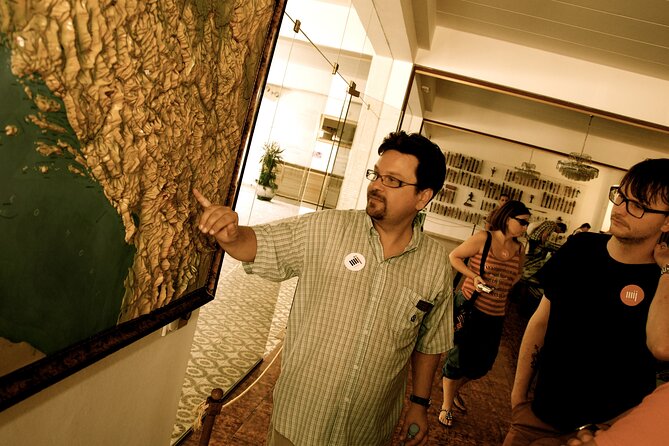
The time here is listed as one hour, with admission included. That matters because it signals the tour is not just stopping at a site for photos. You get museum interpretation, which is where a guide can connect personal leadership to public history and explain why certain symbols still carry weight.
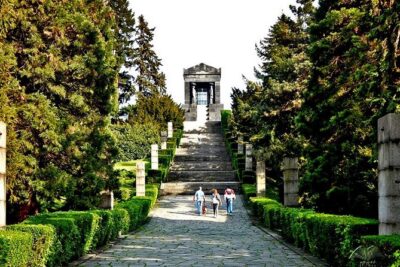
The House of Flowers is Tito’s final resting place, described as the last home of the president for life of Socialist Yugoslavia and one of the most influential leaders of the 20th century. Even if you think you already know his name, seeing how the site is framed helps you understand why his legacy is debated and how it became part of Yugoslavia’s political identity.
If you want the day’s “answers” most strongly, this is where they come from.
Worth putting on the shortlist while you plan Belgrade:
St Sava Temple, 17,000 square meters of mosaics and a cathedral made for scale
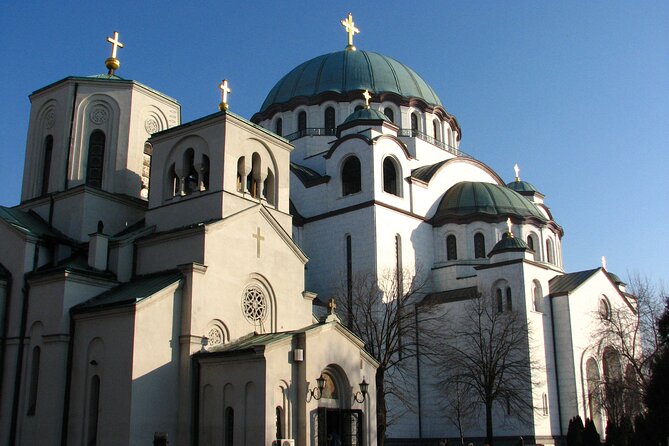
After the Tito memorial, the tour continues with a drive-by of Red Star Belgrade soccer stadium, then heads toward the Temple of Saint Sava, St Sava Memorial Church. The scale here is the headline: the building is described as one of the largest religious structures in the world, with 17,000 square meters of mosaics.
The tour time for this segment includes a final stage panoramic drive, so you experience the church as both destination and part of a wider city vista. The information notes that admission is free for this final segment.
This stop works best when you let the guide’s explanation slow you down. Big mosaics can feel like wallpaper if you rush. With a bit of guided context, you start noticing the craft, the themes, and how such decoration communicates belief and national storytelling at the same time.
Panoramas on Nemanjina, Slavija, Terazije, and where the city still shows scars
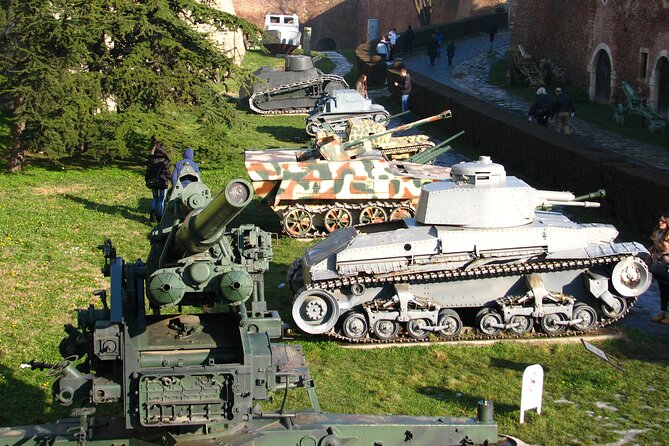
One reason this tour is strong is that it keeps feeding you city context between major stops. On the later panoramic ride, you pass Slavija roundabout, Nemanjina street, and Kneza Miloša Street, again tied to visible scars from 1990s conflicts.
You also see the National Assembly and City Council, described as the Old Court, plus Terazije. These are not just “pretty buildings.” They represent how governance and public life display themselves in stone, steps, and official squares.
By the time you return toward the hotel, you have a mental map: fortress and rivers, civic center, religious center, Tito-era landmarks, then the monumental sacred space and modern institutions.
That final ride is also a good moment to ask questions. If you want to understand one theme more, a good guide can usually connect it back to the streets you just passed.
Price and value: $461.42 per group up to 2, and why it can make sense
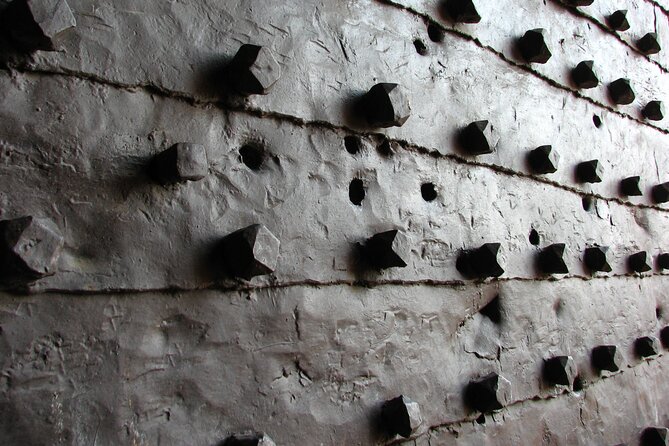
The listed price is $461.42 per group for up to 2 people. That sounds high if you compare it to bus tours, but value depends on what you want from your day.
Here is what you are getting that tends to justify the cost for many visitors:
- Private guiding built around politics and history, not generic narration
- Hotel pickup and roundtrip transportation in an air-conditioned vehicle
- A planned refreshment break with one drink included
- Museum of Yugoslavia admission included, and key stops have free entry noted
- A schedule that mixes walking with panoramic drives, which is efficient for learning
If you are traveling with a second person, the per-person cost drops fast compared to solo pricing on many tours. If you are solo, it can still be worth it if you care about interpretation and want to ask targeted questions without battling group logistics.
Also, the tour is private, so the pacing is less likely to feel rushed. You can better match your energy level to how the guide is explaining each era.
Who this Belgrade tour is for, and who might want a different style
This tour fits you if you want more than sightseeing. It is ideal if you like your travel with context, especially around politics, history, and the way major 20th century figures shaped the built environment. The focus on Belgrade Fortress, Tito’s Memorial sites, and St Sava mosaics gives you a balanced view across time periods.
It can also work well if you enjoy architecture but want it explained through meaning. The guide is set up to tie details to larger themes, from Orthodox institutions to socialist-era city planning and monumental sacred design.
You might choose something else if you prefer minimal walking, or if you want a very light day with fewer ideas per hour. This is a “thinking day,” even though the route is comfortable.
What to expect on the ground: timing, comfort, and small practical tips
The tour starts at 9:00 am and runs about 6-7 hours. You are picked up from your hotel and asked to be ready in the lobby about 10 minutes before pickup. You also end back at your hotel or another central location you prefer.
The tour operates in all weather conditions, so plan for rain or heat depending on the season. Since there is walking at Kalemegdan, you should keep your shoes practical.
The schedule mentions a mobile ticket. Bring your phone and make sure it is charged, since you will need it at the start.
For the “comfort and learning” balance, I recommend bringing a small water bottle even though one drink is included. The tour includes food not, so if you think you’ll need more than that one drink, plan your own snack strategy outside the provided break.
Should you book Belgrade Insight for a politics and history day?
I would book this if you want Belgrade to make sense quickly. The fortress and river views help you orient. The civic center and university area show how public identity is staged. The Museum of Yugoslavia and the House of Flowers give you the Tito context you cannot easily replicate on your own. Then St Sava Cathedral offers a monumental finish that ties belief, art, and national narrative together.
If your idea of Belgrade is mostly casual wandering and photo stops without interpretation, you may feel it is too structured. But if you like asking why things look the way they do, this is one of the strongest ways to spend a half-day in the city.
FAQ
What time does the tour start?
It starts at 9:00 am.
How long should I plan for?
Plan for about 6-7 hours, approximately 6 hours based on the tour length.
Is this a private tour?
Yes. It is a private tour for your group only, with up to 2 people.
What’s included in the price?
You get a 6-hour walking and driving tour, commentary and guiding service, pickup and roundtrip transportation from your Belgrade hotel, and one drink per person during the refreshment break. Admission is included for the Museum of Yugoslavia.
Do I get a break during the tour?
Yes. There is a 30 to 45 minute refreshment break around Republic Square, and one drink per person is included.
Are entry tickets required for major stops?
The schedule notes free admission for Belgrade Fortress and for the segment at Republic Square, and it also lists free admission for the Temple of Saint Sava segment. Museum of Yugoslavia admission is included.
Is the tour offered in all weather?
Yes, it operates in all weather conditions.
Is cancellation free if plans change?
Free cancellation is available if you cancel up to 24 hours in advance for a full refund.
What to pack for a comfortable day
Wear comfortable walking shoes. Bring your mobile ticket, and be ready at your hotel lobby about 10 minutes before pickup. If you are sensitive to weather, plan for changes since the tour runs in all conditions.
Newly written up in Belgrade
- Private Belgrade Street Art Tour
★ 5.0 · 1 review - The best of Novi Sad walking tour
★ 5.0 · 1 review - Tara National Park, Mokra Gora and Zlatibor
★ 5.0 · 1 review - Zasavica Bike Tour
★ 5.0 · 1 review - Discover Belgrade’s most Photogenic Spots with a Local
★ 5.0 · 1 review - Topola: Royal Dynasty Half Day Tour from Belgrade
★ 5.0 · 1 review - Private Serbian Food Cooking Experience in Belgrade with Meal
★ 5.0 · 1 review
Private, compared.
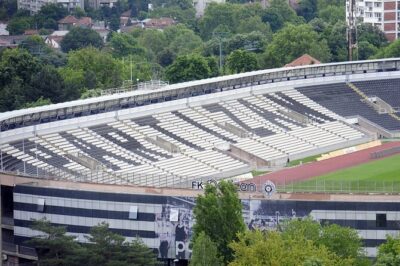
Private Red Star-Partizan Stadium Tour in Belgrade
Read our review →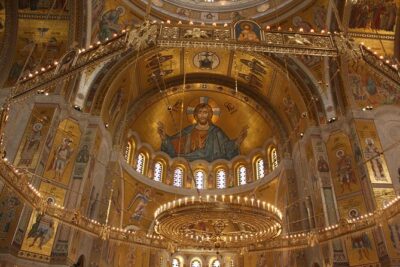


Private transfer from Belgrade or Belgrade Airport to Novi Sad
Read our review →
Private Day Tour to Fruska Gora Monasteries, Sremski Karlovci and Novi Sad
Read our review →
Private Novi Sad, Titanic wine tasting and Farmer’s House
Read our review →