
Reviewed · MANASIJA MONASTERY TOURS
Beauty of Medieval Serbia, Day trip to Monastery Manasija and Resava Cave
Caves and frescoes in one long Serbian day. This trip grabs you with Manasija Monastery’s medieval fresco focus and the way monasteries were built as living prayer spaces, not just museum backdrops. You also get a nature moment with Veliki Buk near the cave, so the day breaks up nicely between stone, history, and outdoors.
I love the mix of art and the real technique behind it. You’ll connect Byzantine heritage to later Serbian styles, then you’ll step underground for Resavska Cave, where the visit is led by an expert local guide for about 45 minutes. That guided pacing is a big plus when you are trying to make sense of a site like this without guessing.
One possible drawback: the day runs about 8 to 10 hours, and lunch is not included. Also, the experience requires good weather, so if conditions are bad you may need to switch dates or get a refund.
In This Review
- Key Highlights Worth Noticing
- Why This Route Works So Well From Belgrade
- Manasija Monastery, Holy Trinity, and Despot Stefan Lazarevic (1407-1418)
- Resavska Cave: 80 Million Years, a 45-Minute Expert-Led Tour
- Veliki Buk Waterfall and the Protected Lisine Area
- Ravanica Monastery, Prince Lazar, and the Defensive Wall With Seven Towers
- Timing, Group Size, and How the 8 to 10 Hours Feel
- Price of $110.79: Is It Good Value?
- Who Should Book This Day Trip, and Who Might Skip It
- Pair It With Belgrade Evenings: Saint Sava and City Center Views
- Should You Book This Belgrade to Manasija and Resava Cave Tour?
- FAQ
- How long is the Beauty of Medieval Serbia day trip?
- Is pickup offered?
- Are tickets included for the stops?
- Is lunch included?
- Is this a private tour?
- How long is the Resavska Cave visit with the guide?
- Does the tour require good weather?
- Can I cancel for a full refund?
Key Highlights Worth Noticing
- Manasija Monastery (1407-1418), founded by despot Stefan Lazarevic, with the Holy Trinity church at its core
- Resavska Cave’s deep-time story, about 80 million years old, plus an included guided tour
- A focused cave route, roughly 800 meters open to tourists, so you get a complete experience without rushing
- Veliki Buk Waterfall Lisine, a protected nature monument near Resavska Cave
- Ravanica Monastery’s seven-tower defense wall, tied to Prince Lazar and built between 1375 and 1377
- Private, pickup-friendly day trip with a mobile ticket and all fees and taxes included
Why This Route Works So Well From Belgrade
This is one of those day trips that feels efficient because it makes logical stops, not random ones. You start with monastery architecture and painted church interiors, then you move to geology underground, then you step back out for a waterfall, and finish with another monastery that connects to a major medieval figure.
What makes it especially interesting is the emphasis on how monasteries in Serbia were not just historic buildings. They were primarily places of prayer, and even today they still function that way. That changes the tone of your visit. Instead of treating Manasija and Ravanica like scenery, you experience them as spiritual heritage that still matters.
Other monastery and Resava cave trips:
- From Belgrade: Gems of Eastern Serbia Tour★ 5.0 · 427 reviews
- Day Trip from Belgrade: Gems of Eastern Serbia★ 5.0 · 424 reviews
- Fortified Manasija Monastery and Resava Cave Tour★ 5.0 · 106 reviews
Manasija Monastery, Holy Trinity, and Despot Stefan Lazarevic (1407-1418)
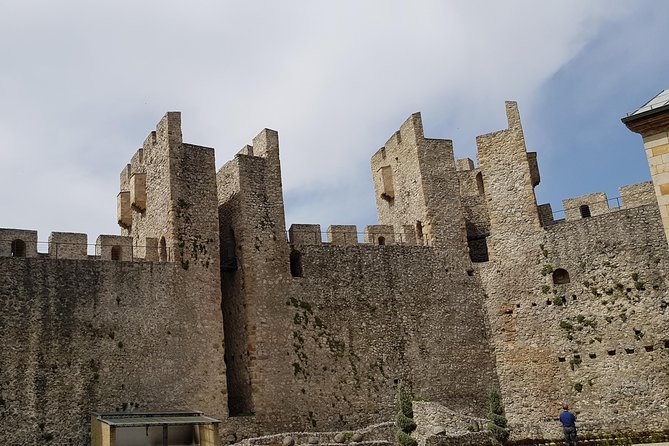
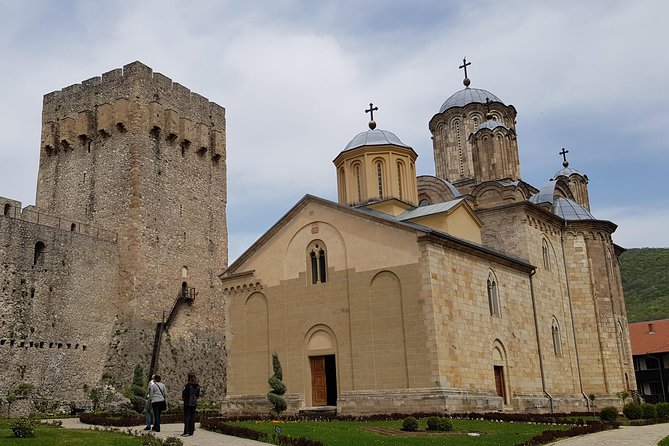
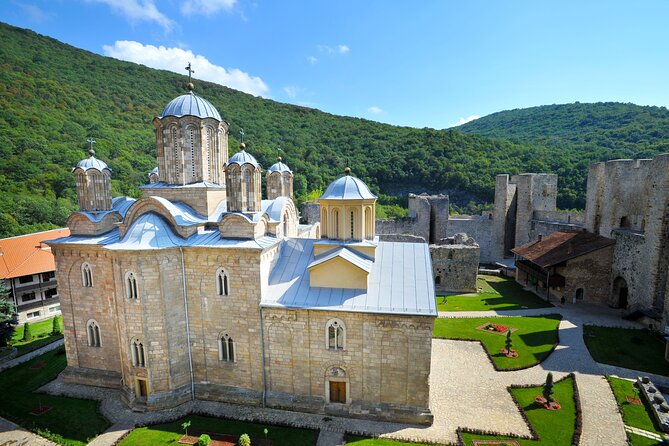
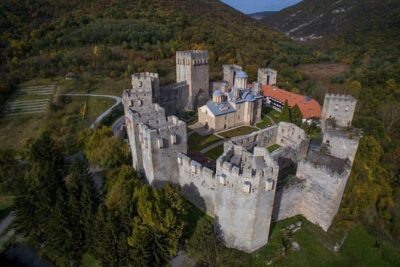
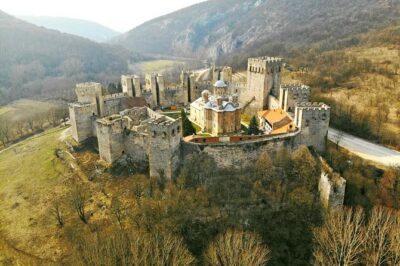
Manasija is the first big hit, and it is easy to see why. Construction began in 1407 and was completed in 1418, funded as the endowment of despot Stefan Lazarevic. The church inside is dedicated to the Holy Trinity, and the complex is a strong example of how Serbian sacred architecture grew along with artistic influence coming from Byzantine traditions.
I like the way this stop is framed around stylistic change. The monastery architecture followed shifts from Byzantine heritage into later Serbian forms, so you are not stuck staring at one frozen style. You get a sense of a living timeline, and fresco painting becomes the visual explanation. The day’s intro sets the expectation that fresco work at that moment was seen as a high point of European art, so your eyes will be primed for detail instead of just “nice paintings.”
Practical note: you get about one hour here, and admission is free. That is a good amount of time if you want a brief tour plus enough breathing room to look around without feeling dragged through.
What to focus on in that hour:
- The church dedication to the Holy Trinity, since it anchors the whole place
- The way the architecture supports the frescoed program, meaning the building feels designed for painting and prayer
- The overall calm and seriousness of the space, since the monasteries are still prayer places today
Resavska Cave: 80 Million Years, a 45-Minute Expert-Led Tour
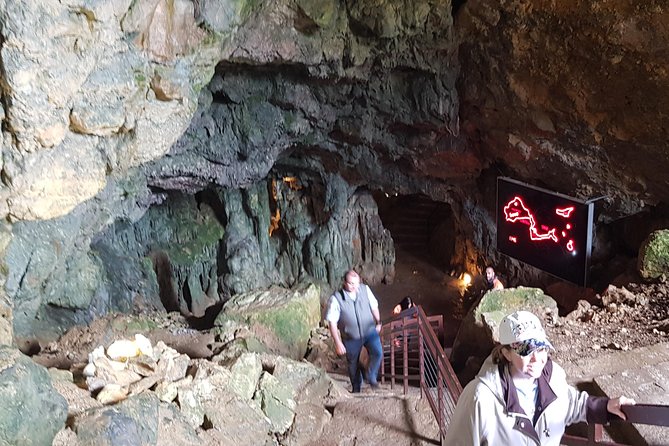
After Manasija, you drive about an hour to Resavska Cave. This is not a quick “walk past a few stalactites” situation. It is a long-view geological site with a clear visitor section, and you get guided help to understand what you are seeing.
Here are the numbers that matter:
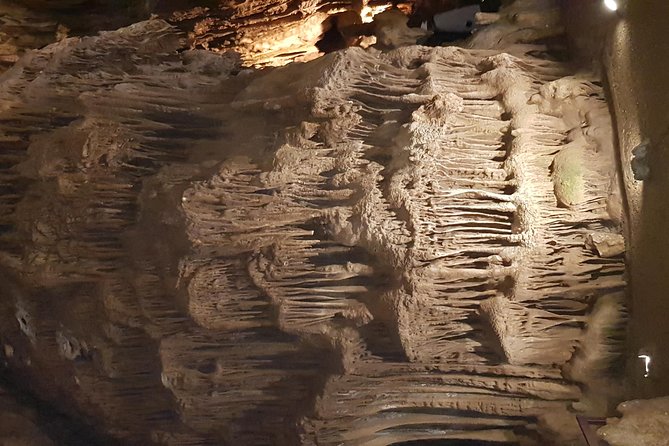
- The cave is about 80 million years old
- The oldest jewel found there is about 45 million years old
- Total cave length is about 4,500 meters
- Up to 2,850 meters has been explored
- Tourists can visit about 800 meters
So you are not seeing every corner, but you are seeing the part meant for visitors, and the guide helps you connect the route to the broader cave story.
The guided portion lasts about 45 minutes, and the pacing is ideal for most people. It gives you time to look, ask, and still keep the energy up for the rest of the day.
One more detail I appreciate: the cave visit is explicitly guided by an expert local guide. In places like this, that usually turns “cool visuals” into “oh, I get what that formation is and why it matters.” It also means you are less likely to miss the key points while you are staring upward at the rock.
What you should do to get the most from it:
- Pay attention during the first part of the explanation, since the guide is likely building context for what you will see next
- Wear comfortable shoes for walking the visitor route (you are covering about 800 meters of the open area)
- Bring your best curiosity, because the cave is old in a way that is hard to picture without the guide translating time into something you can follow
Veliki Buk Waterfall and the Protected Lisine Area
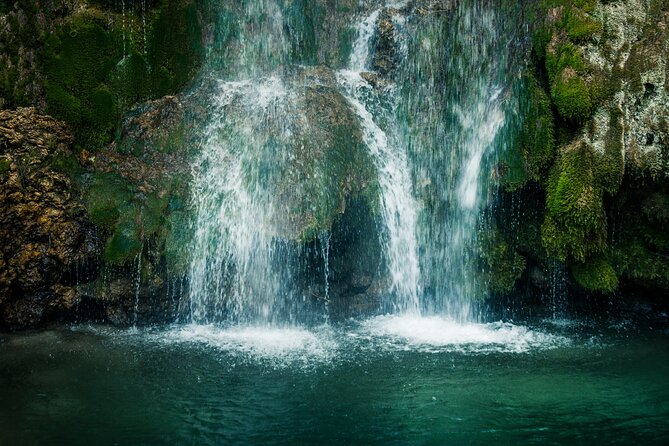
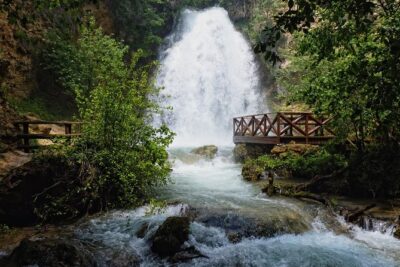
Right near Resavska Cave, you stop at Vodopad Veliki Buk. This is where the day cools down mentally. You get fresh air, a short change of scenery, and a chance to photograph something that is not stonework or painted walls.
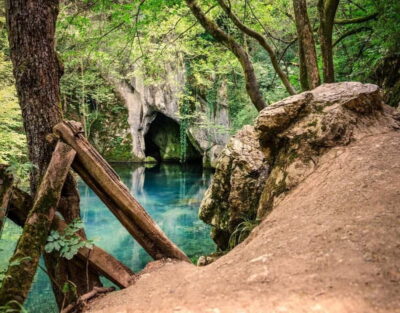
The waterfall sits about 380 meters above sea level, and the formation type is described as an accumulation waterfall. At the base, a lake has formed, and it is surrounded by bigar blocks. There is also a strong tie to the spring of the river Vrelo.
It is protected by the state as a nature monument called Waterfall Lisine. That matters because it suggests you are not just stopping at a random view. It is a monitored, recognized natural site.
How long you stay here is not clearly stated, but it usually functions as a breather between cave and the final monastery stop. I recommend using this time to reset before the last push to Ravanica.
Ravanica Monastery, Prince Lazar, and the Defensive Wall With Seven Towers
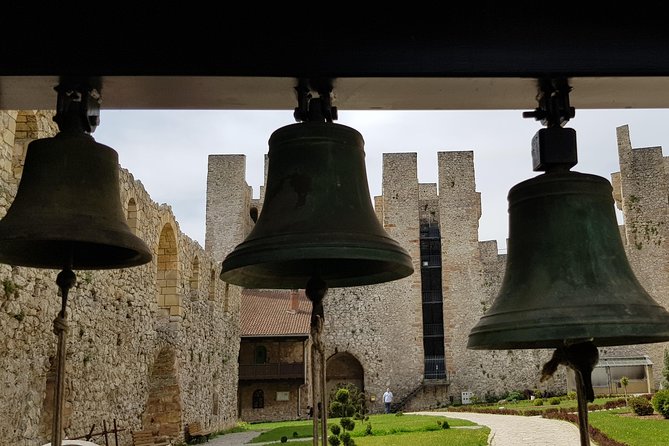
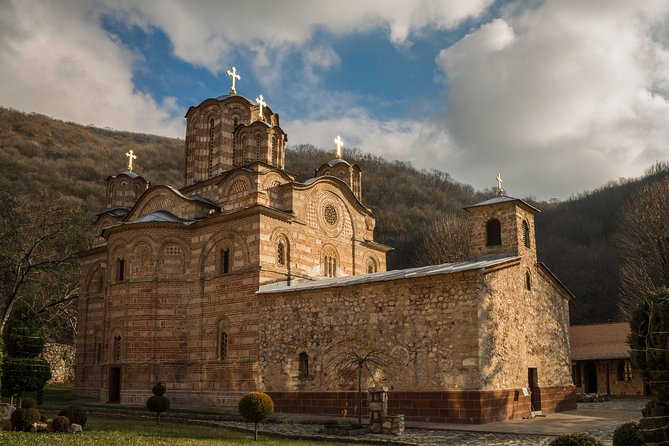
The final monastery is Ravanica, founded as the endowment of Prince Lazar. He is historically linked to the Battle of Kosovo on June 28, 1389 (Vidovdan). The church is dedicated to Vaznesenju Gospodnjem.
What makes Ravanica stand out is its defensive character. It is surrounded by a defensive wall with seven towers, and the monastery was built between 1375 and 1377. That combination, religious function plus fortification design, tells you a lot about the medieval world. These were not buildings placed in a fantasy calm. They had to be survivable.
Your visit here is about 45 minutes, and admission is free. That timing works well after the cave because you can focus on the architecture and layout quickly, then absorb the symbolism without getting overstuffed.
If you only have energy for one thing at Ravanica, make it the wall and towers. It is the element most likely to hit you immediately, because it is visible and dramatic from the outside, and it explains why monasteries were such serious institutions.
One day, there and back:
Timing, Group Size, and How the 8 to 10 Hours Feel
This is listed as an 8 to 10 hour experience, and it includes multiple stops with driving time between them. That is a long day, so go in with a travel mindset rather than a museum mindset.
The tour is private, meaning only your group participates. That tends to make the schedule feel less rigid and more adaptable. It also changes the vibe around questions, since you are not competing for attention in a big group.
A few practical realities to plan for:
- You will be moving between sites fairly consistently, so build in a snack buffer even though lunch is not included
- The cave visit is about 45 minutes, so do not plan on using that time as a casual stroll
- You need good weather, since the itinerary relies on outdoor viewing at Veliki Buk and likely safe conditions for travel
The good news is that the tour includes all fees and taxes, so you are not chasing extra ticket counters for the main stops.
Price of $110.79: Is It Good Value?
At $110.79 per person, the value comes from what is included, not just the headline number.
What you get built into the price:
- All fees and taxes
- Resavska Cave admission ticket included, plus the guided cave tour
- Pickup is offered
- Mobile ticket for smoother entry
- Private tour setup
And what is free as part of the itinerary:
- Manasija Monastery admission is free
- Ravanica Monastery admission is free
- Veliki Buk is free
So you are paying mainly for transport plus the guided cave experience, which is the highest “time and skill” component. Since the cave is the most structured part (guided, time-boxed, with specific routes), that is also the component where a guide most improves your experience.
The main cost you may still handle yourself is food. Since lunch is not included, you’ll want to either eat before you go or bring something small to cover the gap.
My take: if you care about both medieval Serbian sites and a properly guided cave stop, this price feels fair for a full day with admissions handled for the big ticket item.
Who Should Book This Day Trip, and Who Might Skip It
This tour makes sense if:
- You want a serious introduction to Serbian medieval religious culture in one day
- You like paired experiences, art and architecture in monasteries, then geology underground
- You prefer a private tour pace with pickup and a mobile ticket
- You are comfortable with a long day, about 8 to 10 hours
You might hesitate if:
- You do not want any weather risk. The experience requires good weather, and poor conditions can mean date changes or refund
- You rely on lunch being included. It is not, so you need a plan
- You want a long, slow wander at one site. The schedule is stop-based, with limited time at each location
Pair It With Belgrade Evenings: Saint Sava and City Center Views
Since this starts in Belgrade, you can make it a bigger trip by pairing the day trip with an evening in the city. One Belgrade highlight that fits well before or after this kind of excursion is the Temple of Saint Sava, plus the parliament building. If your timing works, the center has a lived-in feeling at night, with gardens and places to relax.
In other words: you can use this monastery and cave day as your “culture and nature” anchor, then spend the rest of your energy on Belgrade’s major landmarks and evening atmosphere.
Should You Book This Belgrade to Manasija and Resava Cave Tour?
I would book it if you want one well-shaped day that mixes medieval monastery architecture, fresco-focused context, and a guided cave visit with real geological framing. Manasija and Ravanica give you the medieval story in two perspectives, and Resavska Cave prevents the day from feeling like only churches and walls.
The decision hinges on two things. First, you need to be ready for an 8 to 10 hour day. Second, you should be okay with the good weather requirement, since outdoor viewing and travel are part of the plan.
If those fit your style, this is a strong choice from Belgrade.
FAQ
How long is the Beauty of Medieval Serbia day trip?
It runs about 8 to 10 hours.
Is pickup offered?
Yes, pickup is offered.
Are tickets included for the stops?
All fees and taxes are included. Manasija and Ravanica list admission as free, Veliki Buk admission is free, and Resavska Cave admission is included.
Is lunch included?
No, lunch is not included.
Is this a private tour?
Yes, it is private, and only your group participates.
How long is the Resavska Cave visit with the guide?
The cave tour with an expert local guide takes about 45 minutes.
Does the tour require good weather?
Yes, it requires good weather. If canceled due to poor weather, you will be offered a different date or a full refund.
Can I cancel for a full refund?
Yes, you can cancel up to 24 hours in advance for a full refund. If you cancel less than 24 hours before the experience start time, the amount paid will not be refunded.
Newly written up in Belgrade
- Private Belgrade Street Art Tour
★ 5.0 · 1 review - The best of Novi Sad walking tour
★ 5.0 · 1 review - Tara National Park, Mokra Gora and Zlatibor
★ 5.0 · 1 review - Zasavica Bike Tour
★ 5.0 · 1 review - Discover Belgrade’s most Photogenic Spots with a Local
★ 5.0 · 1 review - Topola: Royal Dynasty Half Day Tour from Belgrade
★ 5.0 · 1 review - Private Serbian Food Cooking Experience in Belgrade with Meal
★ 5.0 · 1 review
Manasija Monastery Tours, compared.
Day Trip from Belgrade: Gems of Eastern Serbia
Read our review →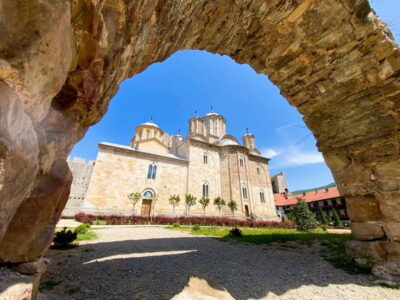
East Serbia Tour with Cave, Monastery, & Waterfall
Read our review →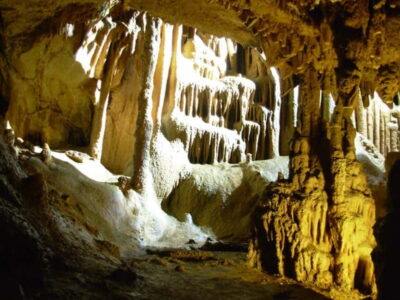
Fortified Manasija Monastery and Resava Cave Tour
Read our review →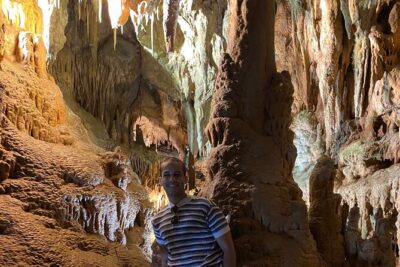
More Serbia tours of this kind